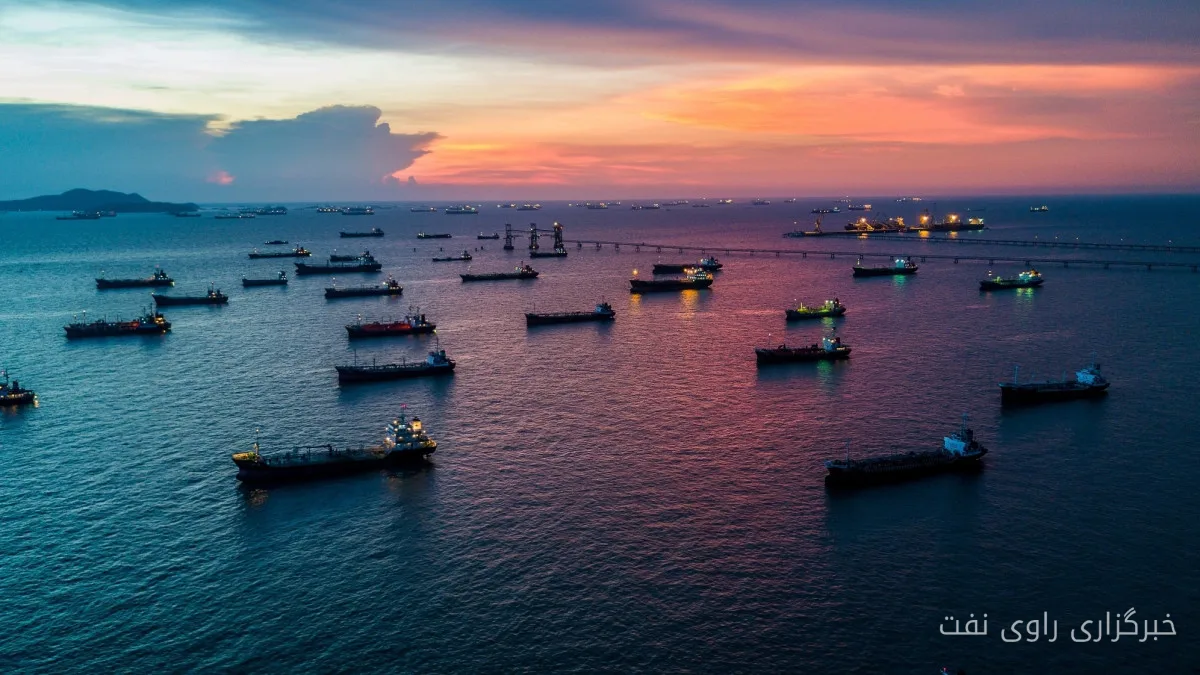
Marine traffic in the Strait of Hormuz has effectively minimized due to the closure of this important maritime route. Following the onset of military attacks by the United States and Israel in the region, major shipping companies decided to reroute their vessels towards Cape in South Africa. Since February, traffic around the southern tip of Africa has doubled.
Economic and Operational Challenges
However, the increase in demand for refueling and maritime services in South Africa has not materialized as expected. No significant increase in the arrival of ships at major ports like Durban and Cape Town has been observed, and most cargo and oil tankers merely pass through South African waters. This is due to existing logistical and economic challenges.
Read more: 23% decrease in Indonesia's coal exports due to lack of global demand
It should be noted that circumventing South Africa adds approximately 5,000 miles in distance and incurs an average of 14 days and over one million dollars in additional fuel costs to each trip. These increased costs, along with further delays, have prompted shipping companies to opt for closer routes towards European or Asian destinations.
Regional Markets and Energy Projects
Meanwhile, South Africa's maritime infrastructure faces serious challenges. In the latest global port performance ranking, Cape Town port ranked last among 400 ports. This issue is due to seasonal instabilities, equipment failures, and inefficient use of docks. Durban port has also faced a ranking of 398.
Nevertheless, new developments in the regional oil and gas sector are taking shape. New projects, including the $20 billion Mozambique liquefied natural gas project and the $30 billion Rovuma LNG project, are progressing. Additionally, the $3.5 billion Southern Africa corridor pipeline project will connect Namibia, Botswana, and South Africa to shift fuel distribution from road transport to rail transport.
These investments could bring export revenues and infrastructure costs to the region, but at the same time, they expose billions of dollars in new energy infrastructure to security and maritime risks.
Read more: Energy imbalance management with gas operators leads to a reduction of one billion cubic meters in consumption · Oil prices rise due to global supply shortage