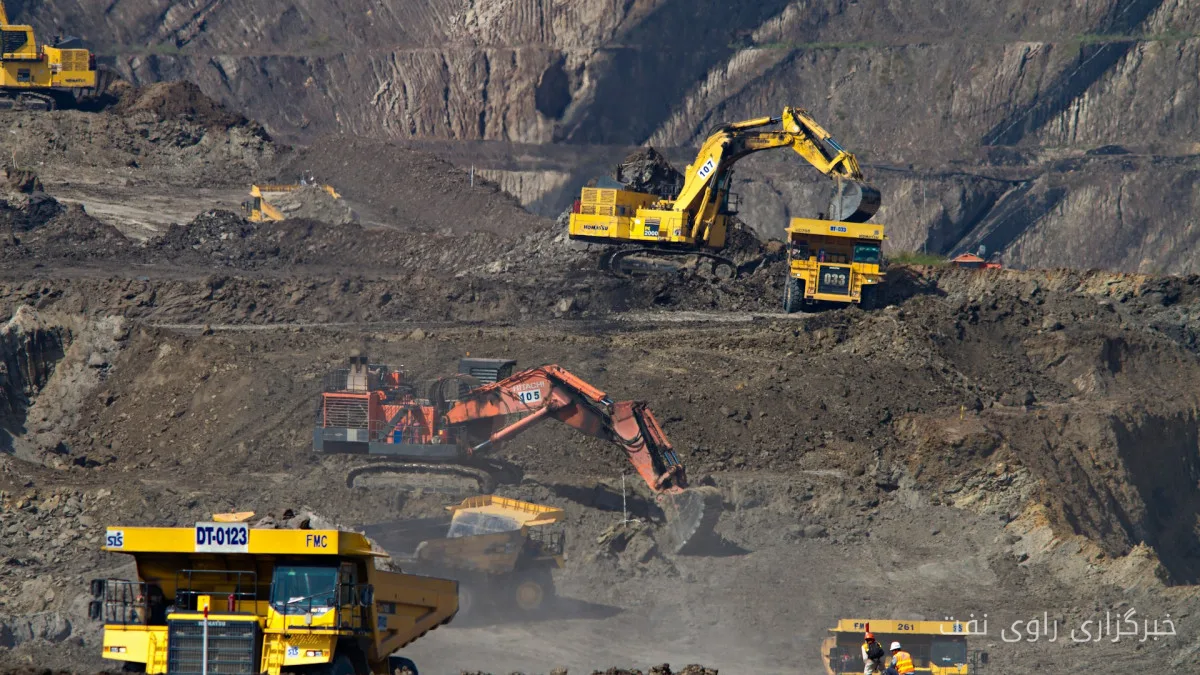
Indonesia, the world's largest exporter of thermal coal, has faced a significant decline in exports this year due to government production policies and uncertainty in the global coal market. Despite the increase in global demand for coal due to the gas supply crisis in the Middle East, the country has been unable to capitalize on this situation.
Export Decline and Its Impacts
Indonesia's thermal coal exports in August decreased by 23% compared to last year, reaching the lowest level in five years. This export decline has also been influenced by reduced rainfall and lower river water levels, which have disrupted the movement of coal barges to export ports. Additionally, following the decrease in liquefied natural gas (LNG) supply due to political crises in the Middle East, global demand for coal has increased.
Read more: IUMI President Emphasizes the Importance of Marine Insurance in Managing War Risks
Uncertainty in Coal Policies
The Indonesian government reduced coal production quotas earlier this year, and although some of these quotas were increased mid-year, the uncertainty in the country's coal policies has made buyers hesitant to engage in transactions with the world's largest coal exporter. According to Matthew Boyle, Head of Research at Ashon International DMCC, Indonesia's coal sales are expected to decrease to 2 million tons this year, down from 4 million tons last year.
Furthermore, the International Energy Agency (IEA) has projected in its mid-year update that Indonesia's coal production will decrease by more than 12 million tons this year, reaching 641 million tons. The reduction in the government's coal production targets has created new uncertainties for producers and international buyers. Ongoing discussions about export taxes, revenue-sharing arrangements, mining licenses, and the potential centralization of exports through a government entity may further add to this uncertainty.
Read more: Ayatollah Gholamali Safaei Bushehri Considered the Social Responsibility of Industries in Serving Bushehr's Infrastructure · Oman’s Energy Minister Raised the Need for Diversity in LNG Export Routes in the Middle East