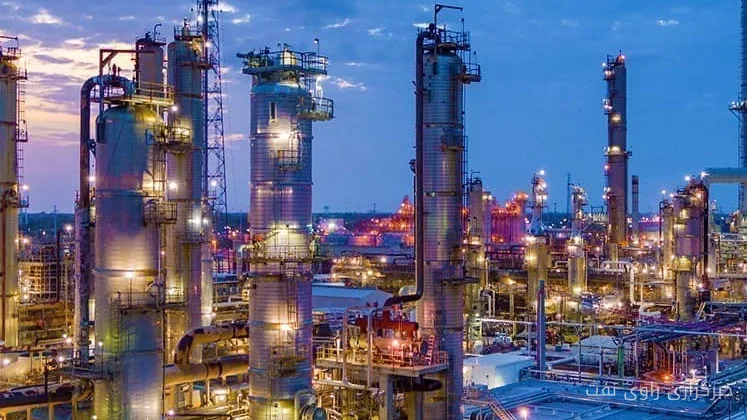
American refineries are gradually reducing gasoline production from each barrel of crude oil they process and moving towards the production of diesel and jet fuel. This shift is occurring due to increasing profit margins in these products and economic changes in the U.S. refining industry.
Reduction in Gasoline Production and Increase in Other Fuels
According to data released by the U.S. Energy Information Administration (EIA), in the first eight months of 2026, the average gasoline production from each barrel of crude oil fell to less than 45 percent. This level has decreased to the lowest point in the last five years each month. The refining industry, which typically produces 45 to 50 barrels of gasoline from every 100 barrels of crude oil processed, is now facing significant changes. Despite rising gasoline prices, the production of diesel and jet fuel has become considerably more profitable.
Read more: Brent and Texas Oil Prices on November 5, 2026
Global Impacts and Increased Production Rates
Production of distillate fuels, which includes diesel and heating oil, remained above its five-year average each month until the end of August. Notably, the share of jet fuel production from total output at American refineries reached over 12 percent for the first time in March and remained at that level until August. These changes reflect increasing pressure on the global refining market. The war in Iran has disrupted refining operations in the Middle East, and attacks in Ukraine have also limited the supply of diesel and other petroleum products from Russian refineries.
According to EIA data, global crude oil production decreased by 4.8 million barrels per day in the second quarter, but increased by 1.8 million barrels per day in the third quarter, although it is still about 5 percent lower than last year's levels. Meanwhile, American refineries added 500,000 barrels per day to their crude processing in the second and third quarters, respectively, to compensate for production shortfalls in other regions. Diesel prices reached their highest historical levels in September.
For American refiners, this opportunity goes beyond processing more crude oil. Fuel shortages are causing a shift in production priorities, encouraging refiners to maximize distillate production even at the cost of reducing gasoline output. The result of these changes is the transformation of the domestic refining system towards supplying the global market with shortages of diesel and jet fuel.
Read more: 8 Percent Drop in Oil Prices After the U.S. Midterm Elections · Lukoil-Nizhny Novgorod Refinery in Russia Targeted in Attack



