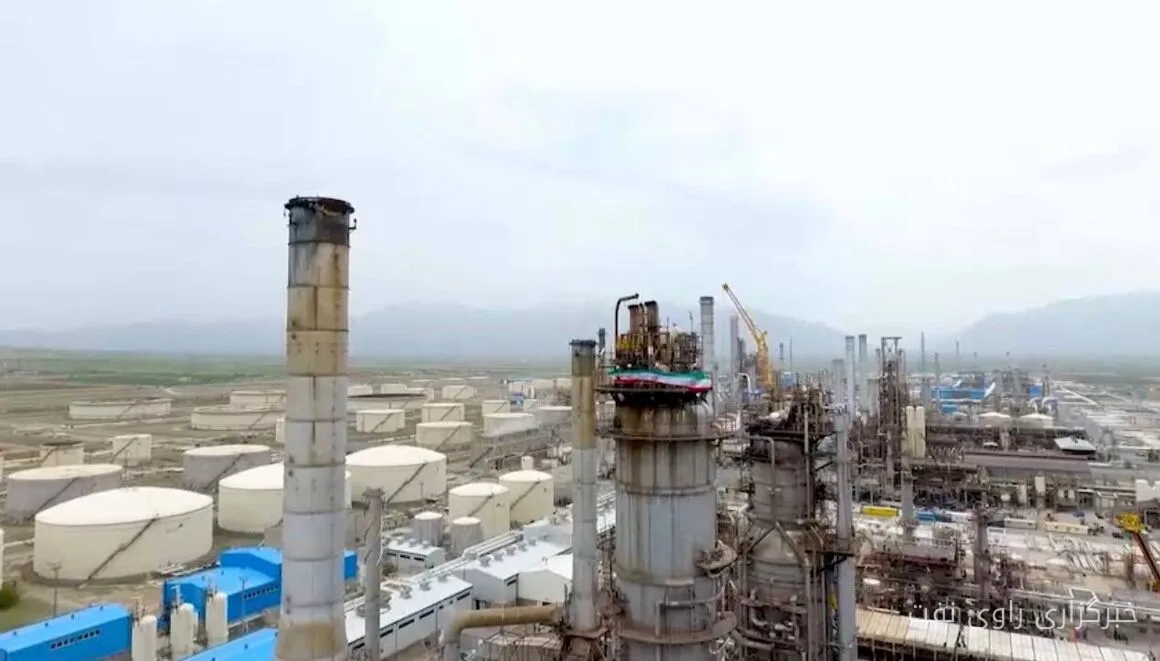
The fire incident at the LPG unit of Tabriz Refinery, which resulted in the death of one worker, has led to expert investigations. Reports indicate that an open pit was used instead of a Closed Sump in this incident, while experts had warned about the dangers posed by Rich Amine containing H₂S and hydrocarbons such as propane and butane.
Negligence in Safety Decisions
On the day of the incident, the first welding spark ignited the pit, leading to approximately 80% burns on the welder, which ultimately resulted in his death. This highlights negligence and a failure to adhere to safety principles in the management of the refinery. Given the experts' objections to the use of an open pit, the question arises whether this incident was the result of an unavoidable technical error or a consequence of managerial negligence and decision-making.
Read more: Costs of the Iran War: $100 Billion on the Shoulders of Americans
The Necessity of Transparency and Accountability
Officials at Tabriz Refinery must answer these questions and, if the claims made are incorrect, publish technical documents and the opinions of qualified experts. If the experts' statements are correct, it must be determined who is responsible for the decisions that led to this disaster. A human life should not be sacrificed for managerial justifications and potential cover-ups.
This incident can serve as a wake-up call for other refineries and similar industries to recognize the importance of adhering to safety principles and paying attention to expert warnings. Given that pressures from cost reductions and increased production may lead to negligence in safety compliance, it is essential for managers to prioritize the safety and lives of employees in their decision-making.
Ultimately, this incident serves as a reminder for all industries, especially the oil and gas sectors, that neglecting safety principles can have irreparable consequences and underscores the necessity for transparency and accountability.
Read more: USS George Washington: The Backbone of Military Operations in the War with Iran · Mahdi Naqvi and the Controversies of Morvarid Petrochemical