Iran's petrochemical industry, with a production capacity of 500 million tons, is on the brink of a strategic transformation that could raise the country's foreign revenue from the range of $300 to $400 per ton of goods to over $1500 to $2000. Given the 40 to 50 percent share of petrochemicals in non-oil exports and Iran's established position among the top 10 steel producers in the world, this industry has unparalleled potential for wealth creation and job generation in the country.
Transformation in the Petrochemical Value Chain
Sustainable development and success in the global arena require a focus on high value-added products. Currently, Iran's petrochemical sector has a high advantage in producing products such as methanol, urea, and polyethylene, but these products have limited revenue generation due to insufficient economic complexity. New investments should be directed towards establishing chemical parks and producing products such as engineering polymers and synthetic fibers. This change could increase the foreign revenue of each shipment by up to 5 times and activate a chain of downstream industries.
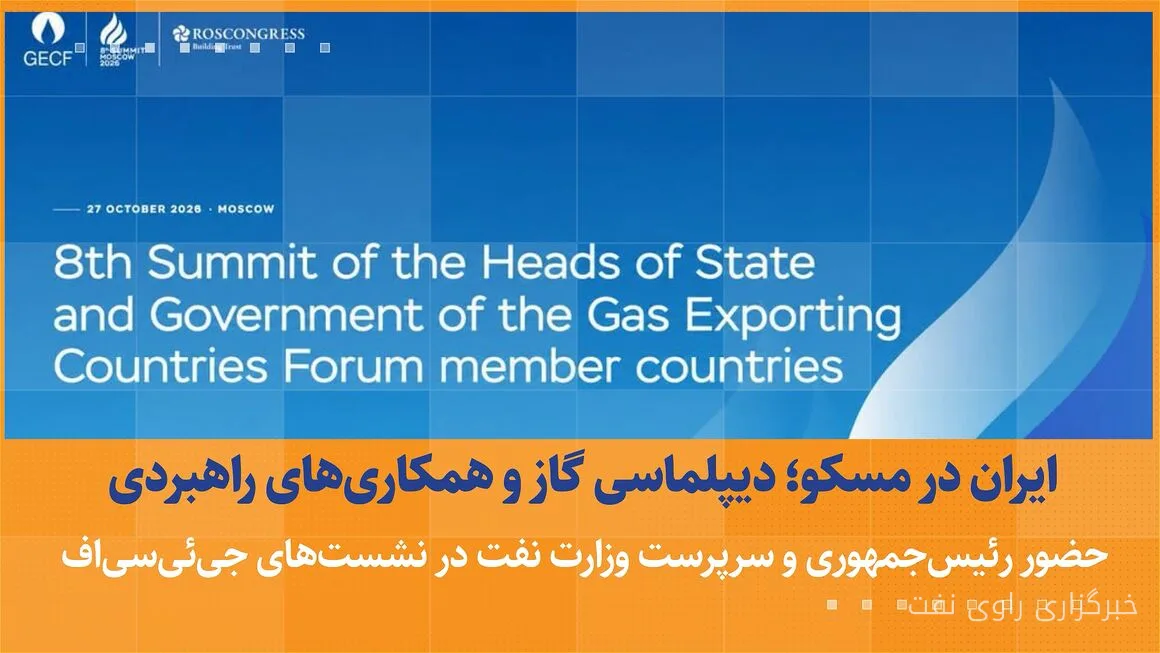
Read more: Strengthening Iran's Energy Diplomacy with the GECF Meeting in Russia
Leap in the Metallurgy and Agriculture Industries
Iran's presence among the top 10 steel producers in the world reflects the strong infrastructure of this industry. However, to increase value-added, Iran's metallurgy industry must move towards producing special alloy sheets for the automotive and home appliance industries. Additionally, agricultural products such as saffron and pistachios, which have the highest comparative advantage, need to shift from bulk exports to advanced processing and complementary industries. With investment in modern technologies, the export revenue of this sector could increase by 3 to 4 times.
Success in this path requires coordination between macroeconomic policies and the behavior of enterprises. Smartening export incentives and developing industrial clusters can facilitate product processing and move towards the production of final goods. Furthermore, chain-oriented economic diplomacy should become one of the main axes of trade negotiations so that Iran becomes a manufacturing partner and supplier of advanced components for the industries of neighboring countries.
Ultimately, given the existing infrastructure and specialized human resources, Iran is capable of increasing the value of each ton of exports by up to 5 times by developing chemical parks and focusing on downstream industries, thus becoming one of the main links in the value chain in the Middle East and Eurasia.
Read more: Emphasis by Masoud Pezeshkian and Vladimir Putin on Developing Bilateral Cooperation · Hamid Reza Hoshyari Appointed as New Head of the Petrochemical Industries Development Management Company