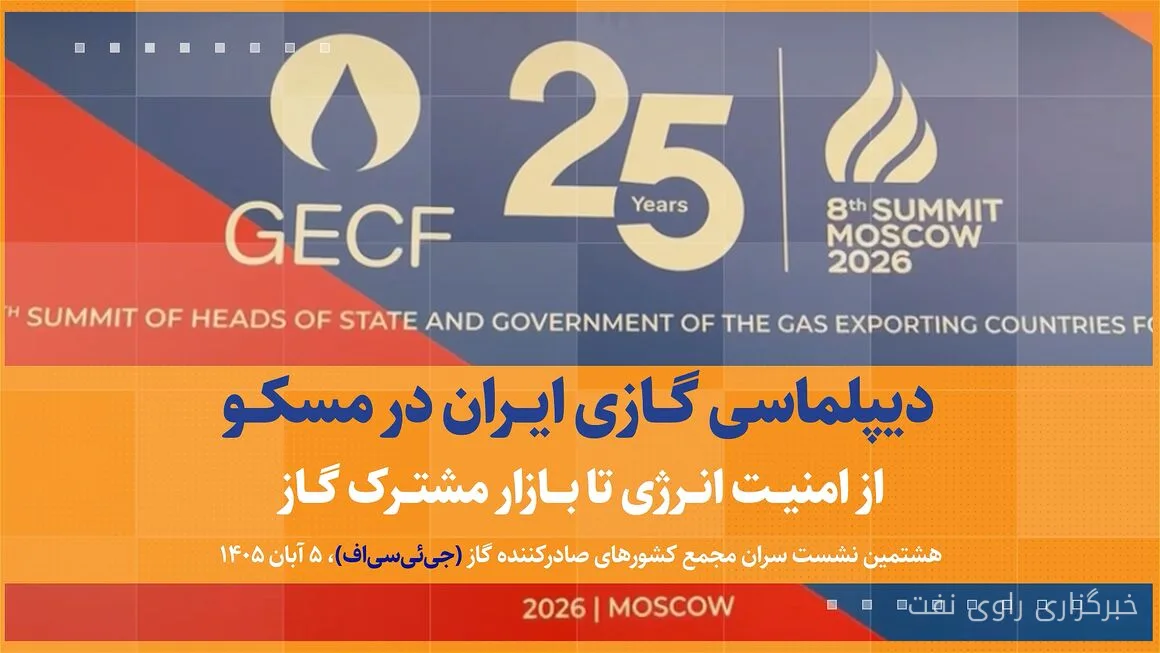
In line with its gas diplomacy, Iran has recently held negotiations with Russian officials in Moscow. These negotiations have particularly focused on strengthening energy security and forming a joint gas market, as well as examining joint projects and the capacities of gas fields.
Review of Gas Field Capacities
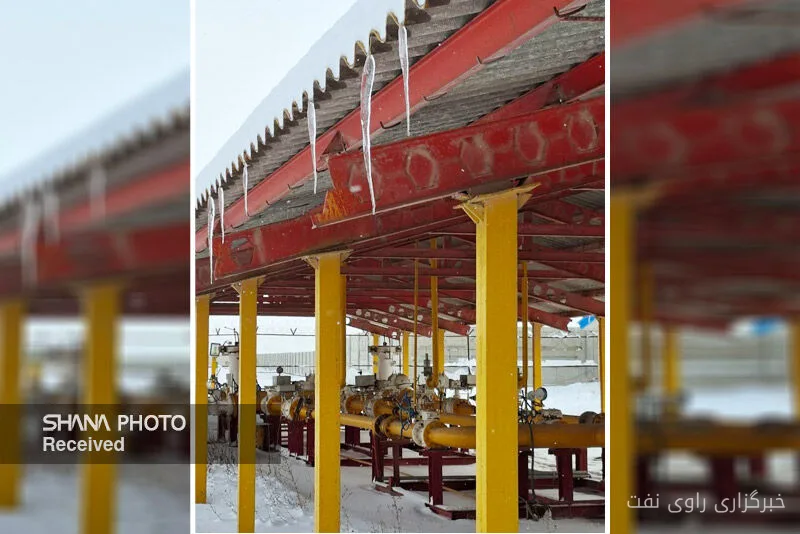
The South Pars gas field, one of the largest gas fields in the world with a daily production capacity of 700 million cubic meters of natural gas, has been the main focus of these negotiations. Additionally, the Roshdat gas field, with a production capacity of 200 million cubic meters per day, has also been discussed. Iran believes that cooperation with Russia can help improve gas infrastructure and increase gas exports.
Read more: Masoud Pezeshkian pointed to reforms in transportation and fuel smuggling
Economic and Political Consequences
Iran's gas diplomacy could have both positive and negative impacts on the global energy market. Increased cooperation with Russia could strengthen Iran's position against regional and global competitors. On the other hand, dependence on a major partner like Russia could also bring risks. In this regard, experts emphasize that Iran should seek to diversify its energy partners.
Moreover, the recent negotiations reflect Iran's efforts to exploit natural gas capacities to meet domestic and foreign needs. This comes as Iran is striving to access global gas markets by reducing sanctions and improving international relations.
Read more: Salam Sotoudeh announced the necessity of national solidarity for managing gas consumption · Iran and Russia gas exchange agreement in final stages