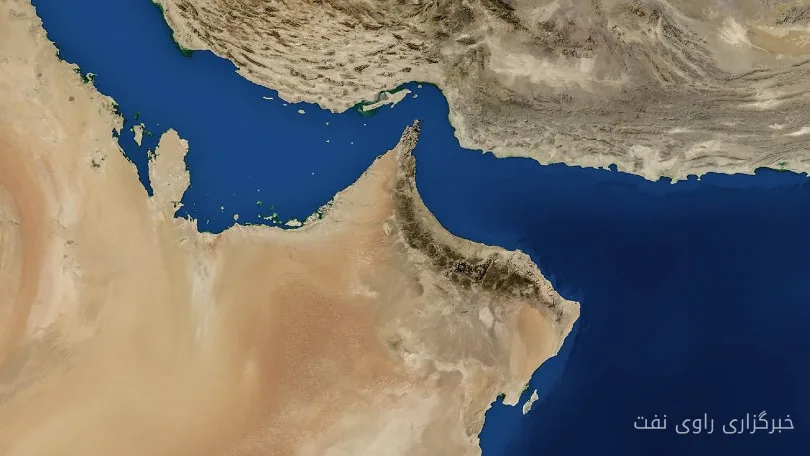
Iran has recently opened the Strait of Hormuz to oil tankers from China and India. This action follows the continuation of U.S. sanctions and could have significant impacts on the global oil market.
Details of Iran's Action
The Strait of Hormuz, which is vital for the transportation of about 20 percent of the world's oil, is recognized as one of the most important maritime routes for Iran's oil exports. With the opening of this strait to China and India, Tehran is seeking to find new markets for its oil. This action comes at a time when U.S. economic sanctions are putting additional pressure on Iran's oil industry.
Read more: Seadrill Announces Third Quarter Results for 2026
Consequences and Impacts on the Oil Market
The opening of the Strait of Hormuz to China and India could mean an increase in Iran's oil exports to these two countries. China and India, as the largest oil importers in Asia, are of great importance to Iran's oil market. Given that Iran's oil production capacity is around 4.5 million barrels per day, the country can compensate for some of the losses caused by sanctions by exporting more to these countries.
Moreover, this action could strengthen Iran's economic relations with China and India. Oil cooperation between Iran and these two countries could help develop oil and gas infrastructure in Iran and, in turn, impact global oil prices. Considering that oil prices are influenced by various factors including supply and demand, the opening of the Strait of Hormuz could lead to price changes in the international market.
Future Outlook
Given the current conditions, the outlook for Iran's oil exports to China and India is assessed positively. These two countries, due to their severe energy resource needs, are likely to continue purchasing oil from Iran. This not only will help strengthen Iran's economy but could also increase Iran's political and economic influence in the region.
Ultimately, in light of recent developments and Iran's action in opening the Strait of Hormuz, it seems that Iran is seeking to create new opportunities for its oil exports under difficult sanction conditions. This action could be viewed as a strategy to counter international pressures and increase Iran's oil export capacity.
Read more: Record Gas Storage in Shourijeh D Khanguiran Registered · Pentagon Report on the Status of Iran's Space Industry After the 40-Day War