Iran, as the second-largest holder of natural gas with over 33 trillion cubic meters of reserves, and the Russian Federation, with over 47 trillion cubic meters as the largest holder of these resources, jointly possess over 41 percent of the world's total gas reserves. In this regard, new diplomatic movements are taking shape, aimed at redefining the geometry of international power and accelerating the formation of a multipolar order in the energy sector.
Summit of the Gas Exporting Countries Forum
Moscow will host the eighth summit of the Gas Exporting Countries Forum (GECF) on October 27, 2026 (Aban 5). This international event, along with the Moscow development-oriented statement, serves as a geopolitical platform for outlining the future roadmap, enhancing member self-sufficiency, transferring new technologies, and countering unilateral sanctions. The presence of key leaders from the world's gas powers at this summit solidifies the role of natural gas as a cornerstone of energy stability in the 21st century.
Iran's Role in Energy Diplomacy
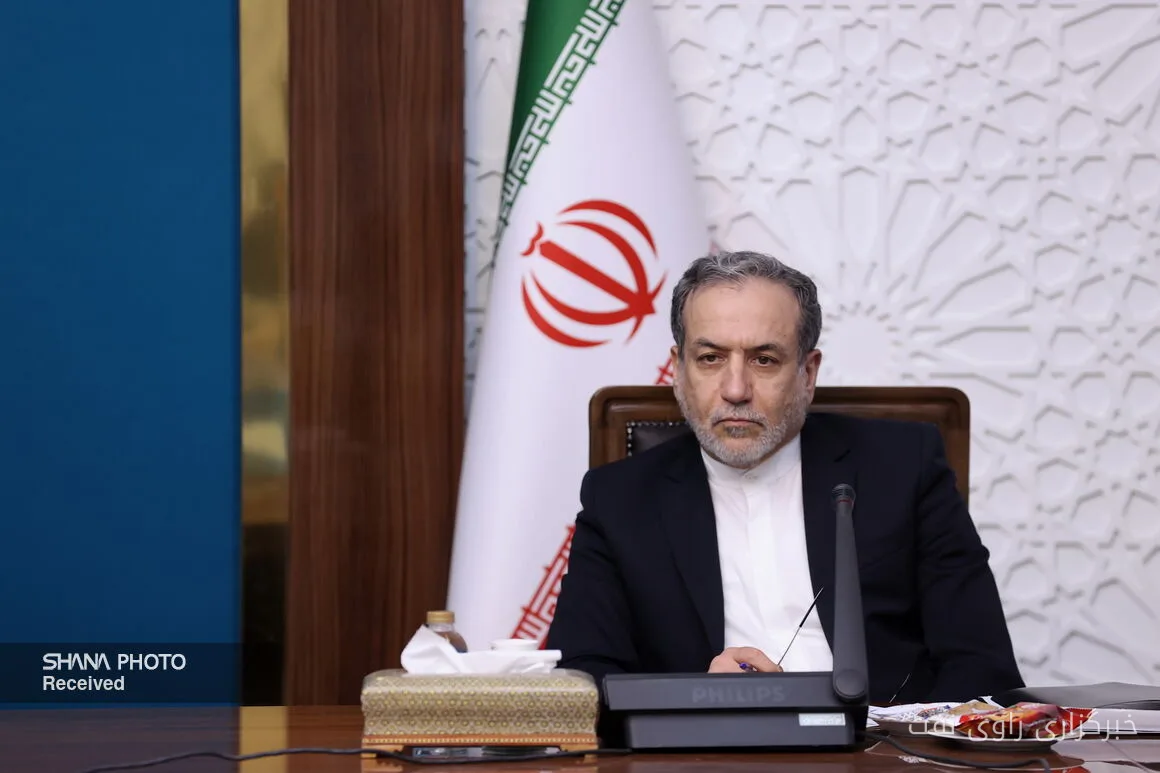
The presence of a high-ranking delegation from the Islamic Republic of Iran, led by the President, the Foreign Minister, and the Minister of Oil at this summit, is considered a strategic step in strengthening the country's energy diplomacy. The gas relations between Iran and Russia, in this framework, embody complementary patterns and strategic cooperation. Major agreements between the two countries for connecting regional networks, enhancing transit, and pursuing gas transfer agreements are the most tangible manifestations of the shared value chain that both countries are pursuing.
This major plan not only has the capacity to cover seasonal and regional imbalances but also establishes the necessary infrastructure to transform Iran into a key gas distribution hub in South Asia and surrounding markets (such as Iraq, Turkey, and Pakistan). The Gas Exporting Countries Forum has proven that independent energy supplying powers can effectively manage market stability without reliance on unilateral mechanisms.
Bilaterally discussing the previous agreements between the presidents of the two countries on the sidelines of this summit in Moscow is a key step in neutralizing the impacts of sanctions. Analyzing trends indicates that the future of the global gas market should be shaped based on pluralism, diversification of supply sources, and respect for the sovereignty of suppliers. The joint role of the Islamic Republic of Iran and the Russian Federation at this summit confirms the reality that both countries have serious capacities to lay the groundwork for a fair architecture in the geopolitical energy landscape of the world.
Read more: Changes in Dry Cargo and Oil Freight Markets Influenced by China and India's Policies · China Increases Domestic Oil Production Following Reduction in Iranian Supply