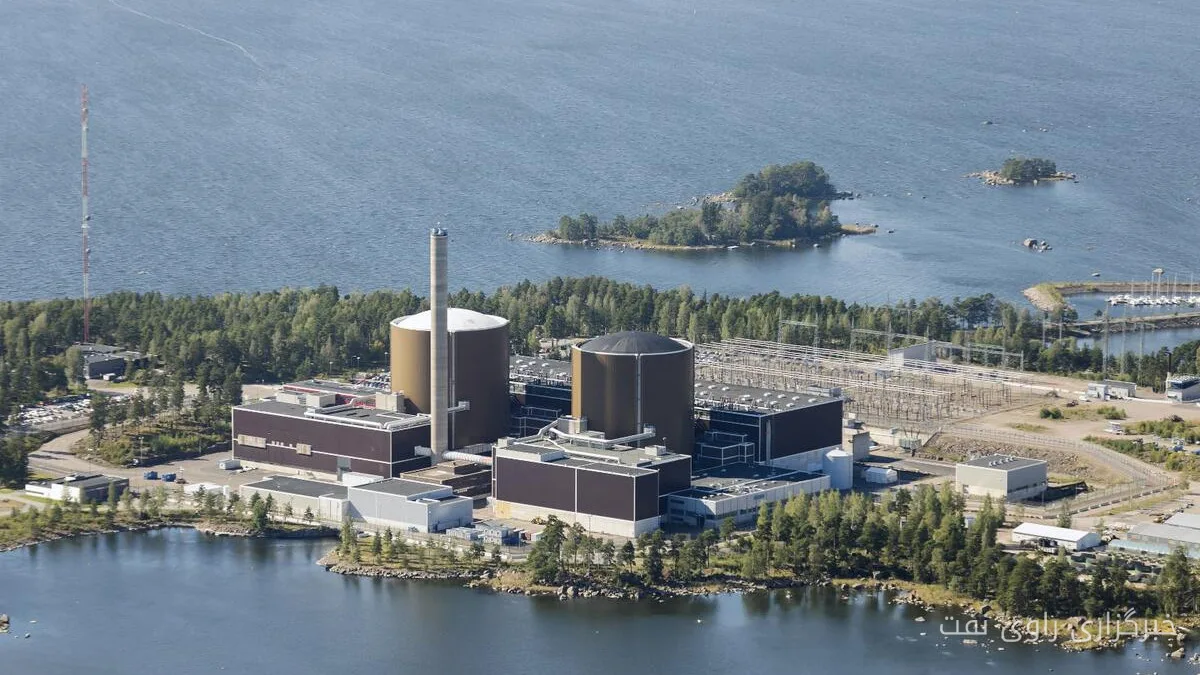
Investment in nuclear energy, as one of the clean and high-capacity energy sources, has faced serious challenges in recent years. Despite technology companies investing billions of dollars in providing nuclear power for artificial intelligence data centers, the stocks of companies active in this field have experienced significant declines over the past year.
Stock Performance Analysis of Companies
According to reports, the Global X Uranium ETF has decreased by more than 20 percent over the past 12 months, while the SPDR Energy Sector Fund has seen an increase of over 40 percent. This decline in stock value relates to investors' concerns about valuation, financial needs, and the long timelines for the development of companies that still do not have meaningful commercial revenue.
NuScale Power Corp., trading under the symbol SMR on the New York Stock Exchange, has lost about 82 percent of its value over the past year. Additionally, Oklo Inc., trading under the symbol OKLO, has seen a decline of about 75 percent, and Nano Nuclear Energy, trading under the symbol NNE, has experienced an approximate decrease of 68 percent. These three companies are developing technologies that could create new needs for nuclear energy, but investors are no longer willing to pay high costs for an uncertain future.
Key Projects and Upcoming Opportunities
NuScale received standard design approval from the Nuclear Regulatory Commission (NRC) for its 77-megawatt SMR technology in May 2025. Meanwhile, the company continues to burn cash to reach the commercial stage. In January, Oklo and Meta Platforms announced that they signed an agreement to develop a 1.2-gigawatt nuclear energy campus in Pickaway County, Ohio, which is set to power Meta's regional data centers. The initial production of this project is targeted for 2030.
Meanwhile, uranium fuel companies and suppliers have also faced significant declines. For example, Centrus Energy Corp. lost about 62 percent of its value last year, and Uranium Energy Corp. experienced a decline of about 32 percent. In this context, established utility companies that already produce nuclear energy have emerged as opportunities for investors.
NextEra Energy Inc., with a market capitalization of $161.4 billion and a 3.5 percent decline this year, is the largest electric utility company in the world. Through its subsidiaries, it operates 7 nuclear units at 4 locations with a capacity of over 6,000 megawatts of carbon-free electricity. Constellation Energy Corp., as the largest producer of clean energy in the United States, boasts a production capacity of 55 gigawatts, including nuclear and renewable energy facilities. Long-term contracts with technology giants like Google and Microsoft help these companies position themselves as major suppliers of nuclear energy in the new digital era.
Finally, Vistra Corp., with a capacity of 44,000 megawatts, is one of the largest power producers in the United States, which includes 6 nuclear reactors and has recently signed a 20-year contract with Meta to supply carbon-free energy. The company has also benefited from a $4.2 billion loan package to upgrade and modernize its nuclear facilities in Pennsylvania and Ohio.
Read more: Transformation of European ports into multi-purpose energy centers · Petrochemical Pardis on the verge of a fundamental transformation in urea and ammonia production



