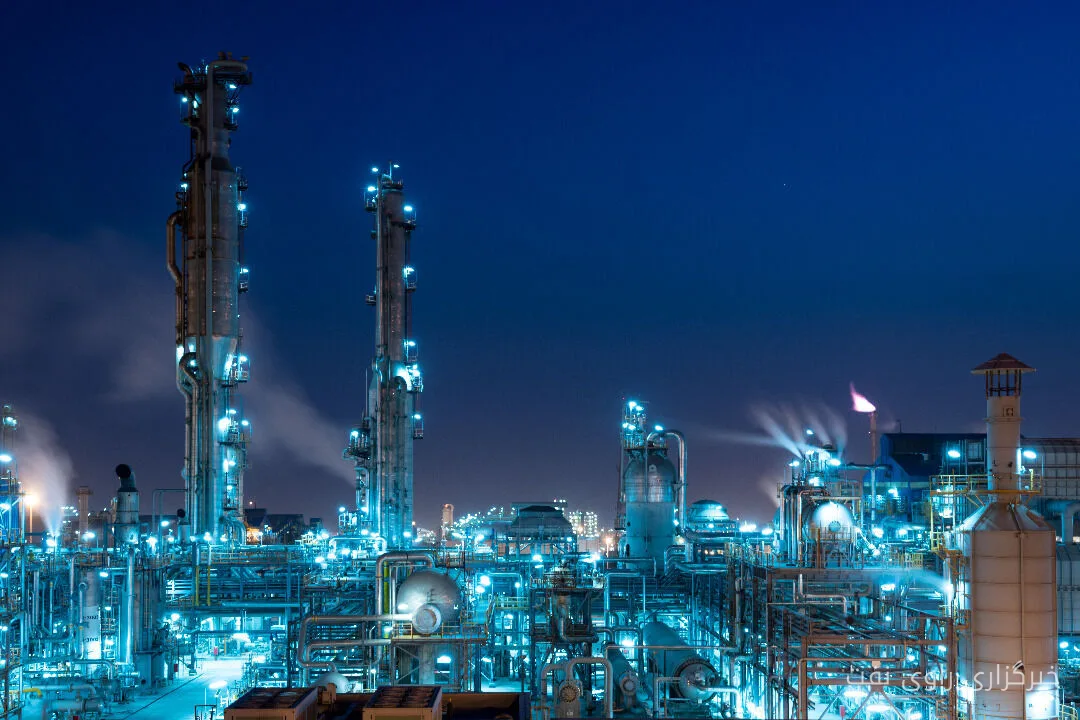
Petrochemical Pardis (Shapdis), as the main hub for urea and ammonia production in the region, was traded at a price range of 12,760 rials on October 8, 2026. This price level has once again attracted the attention of fundamental and technical market participants after a period of fluctuations and price adjustments. Analyzing macroeconomic components, including the global price of granular urea and the gas market situation, indicates a breakthrough in the movement trend of Shapdis.
Industrial Position of Petrochemical Pardis
Petrochemical Pardis, with an annual capacity of over 3 million and 224 thousand tons of urea and 2 million and 40 thousand tons of ammonia, is located in three operational phases in the Pars Energy Special Economic Zone (Assaluyeh). This company is not only recognized as the largest supplier of agricultural urea domestically but is also considered one of the key players in determining the export corridor of urea to target markets such as the CIS, East Asia, India, South America, and Africa.
Production Challenges and Gas Imbalance
The urea production cycle at Petrochemical Pardis is based on natural gas feedstock, which depends on two key factors: the formula for gas feedstock and fuel prices and the global FOB price of urea in the Persian Gulf. In the fall of 2026, Petrochemical Pardis will face challenges related to gas imbalance, which could lead to stoppages or pressure drops in some phases. However, the company has plans for major overhauls to mitigate the negative effects of gas imbalance.
Analysts have estimated that in pessimistic scenarios, the company may face 40 to 60 days of production stoppage. However, with appropriate planning and smart management, this imbalance can be reduced to less than a 10% decline in annual capacity.
Petrochemical Pardis, with a production efficiency of over 88% in its operational phases, has become one of the pioneers in urea production. Recommendations for investors include staggered buying on negative trading days and holding for high cash DPS returns. Additionally, allocating 15 to 20 percent of the total rial value of the stock portfolio to the Shapdis symbol is advised.
Ultimately, if Petrochemical Pardis can manage the risks of gas imbalance and the global price of urea remains stable around 400 dollars, this company will be one of the leaders in the chemical group and a suitable investment option in the stock market.



