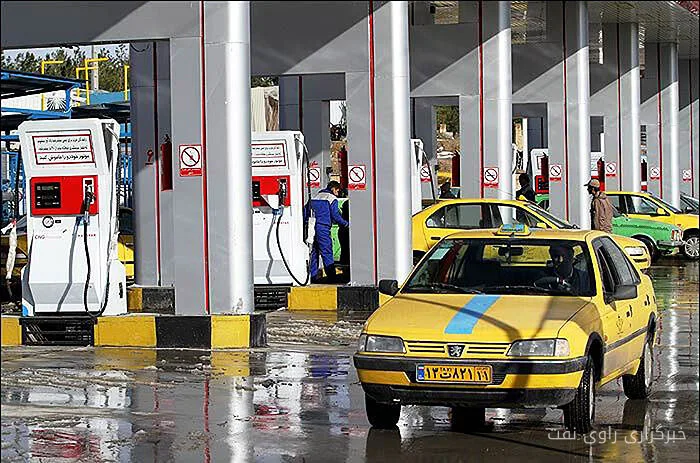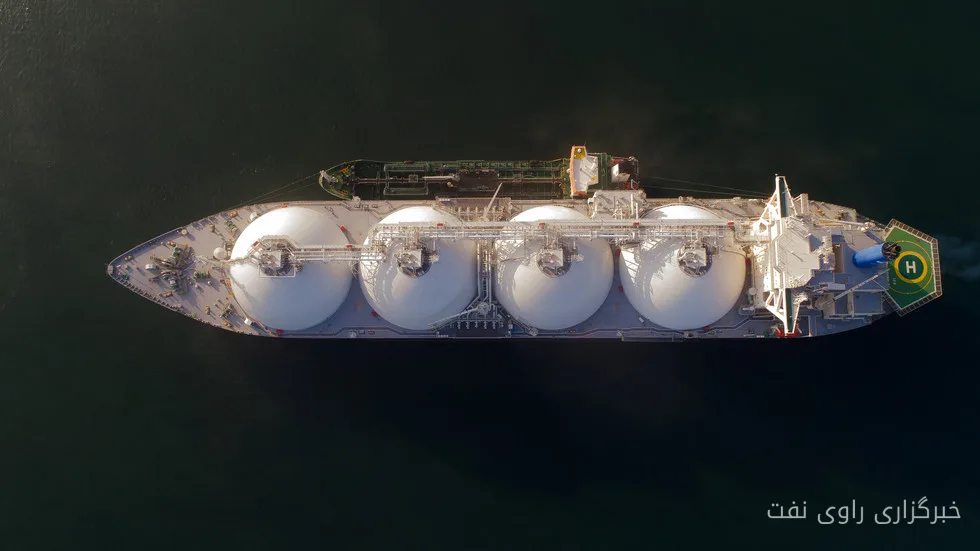
The decrease in India's natural gas demand by 1.5 million tons this year is attributed to the Iran war and the resulting constraints on LNG supply from the Middle East. According to a report by energy consultants Wood Mackenzie, prior to the war, LNG demand in South Asia was expected to increase by 7 percent or 2.7 million tons by 2025.
Impact of War on LNG Supply
With the outbreak of war, the supply of more LNG from Qatar and the United Arab Emirates in the Gulf has been constrained, and there are no alternative routes to bypass the Strait of Hormuz. Wood Mackenzie analysts now predict that demand in South Asia will significantly decrease by about 6 million tons. This increase in global LNG prices has reduced gas demand in Bangladesh by 3 million tons and in India and Pakistan by 1.5 million tons respectively.
Challenges for Pakistan and Bangladesh
Pakistan and Bangladesh have been severely affected by the LNG supply crisis, as these countries had reduced diversity in their LNG supply. For example, Pakistan will have to pay over $1 billion for LNG supply in the winter months, while spot prices have reached their highest level in three years. The Pakistani government plans to import 10 LNG cargoes from the spot market, which will be twice the price of LNG imported from Qatar.
In contrast, India has a better situation with more diversity in its suppliers, including the United States, Nigeria, and Oman. Despite the increase in bidding prices to $26.4 per million BTU by September, up from $16.8 to $18.8 from March to June 2026, bidding demand in India has remained strong.
Read more: Mostafa Pourdehghan Described the Situation of Rebuilding Affected Industries · Escalating Tensions in Iran Put Pressure on Europe's Natural Gas Supply