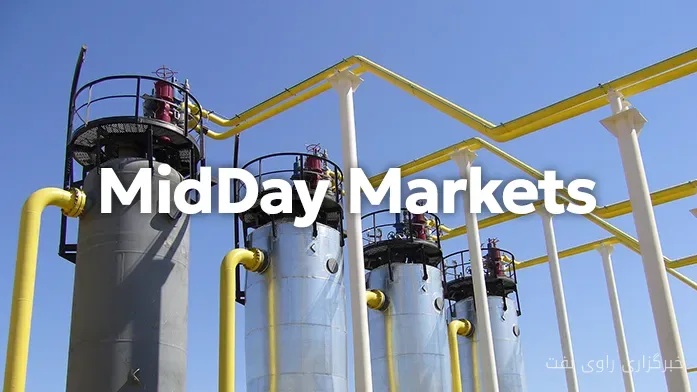
Natural gas futures prices in the United States surged sharply and experienced positive changes following the confirmation by the U.S. Energy Information Administration (EIA) regarding the sixth unprecedented seasonal injection into reserves. This news prompted investors and analysts to pay closer attention to the natural gas market, affecting price volatility.
Status of Natural Gas Reserves
The U.S. Energy Information Administration recently reported that the country's natural gas reserves currently stand at 3.27 trillion cubic feet. These reserves are decreasing due to the warm season and lower heating demand. This decrease in reserves, coupled with increased demand for natural gas due to rising electricity production needs, has contributed to price stimulation.
Consequences of Price Increase
Given this price increase, it is expected that electricity production costs will rise, which may also impact consumer prices. Analysts predict that if this trend continues, there may be increased pressure on energy-dependent industries, consequently raising the costs of goods and services.
In light of the current situation, the increase in natural gas consumption, especially in industrial and residential sectors, may pose a significant challenge for policymakers and government officials. Managing reserves and meeting energy needs in the upcoming seasons are among the issues that require careful attention.
Outlook for the Natural Gas Market
Analysts believe that given the current status of reserves and increasing demand, the natural gas market will remain unstable in the near future. Additionally, global developments and changes in energy policies of various countries could significantly impact prices and natural gas reserves.
Ultimately, there is a need for special attention to this market and a more detailed examination of its trends to prevent negative consequences and help stabilize the country's energy situation.
Read more: Market Volatility Focused on Oil Prices and U.S. Bonds · Glenfarne Group Received Extension Request for Magnolia LNG Project



