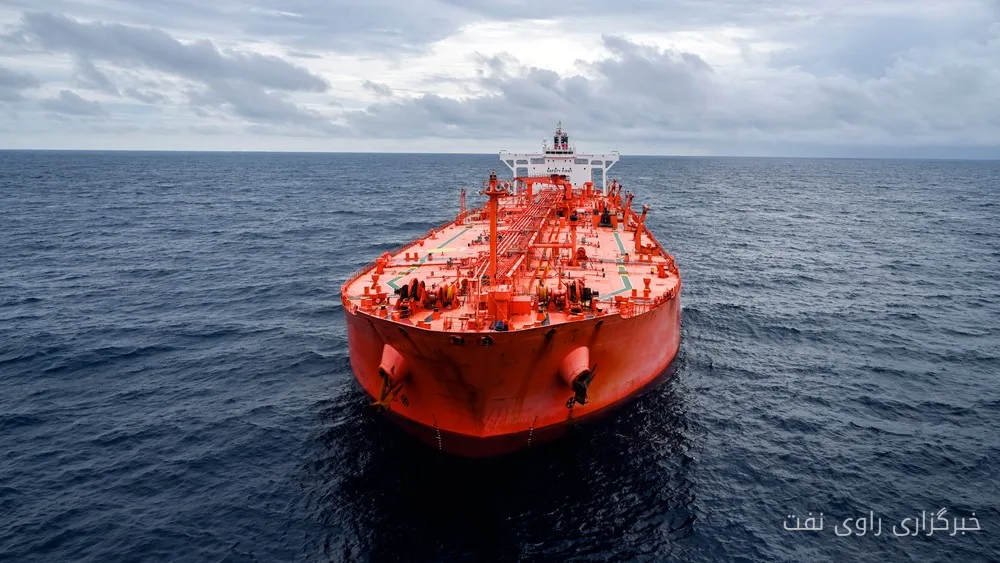
The Strait of Hormuz has witnessed an increase in liquefied natural gas (LNG) traffic this week. At least two LNG shipments have passed through this strait, while producers are seeking ways to boost flows to a market struggling with supply shortages and skyrocketing prices.
LNG Market Situation
The global LNG market is currently facing multiple challenges, including supply shortages and rising prices. These conditions have led to increased demand for LNG shipments to pass through the Strait of Hormuz. The Strait of Hormuz, as one of the most important transit routes in the world, plays a key role in meeting the energy needs of various countries.
Read more: Petrobras signs eight exploration contracts off the coast of Ivory Coast
Conditions for Shipment Passage
This week, the Strait of Hormuz has been a focal point for producers as a strategic route for LNG shipments. Given the current market conditions, producers are looking to increase supply capacity and meet the growing needs of consumer countries. This could help alleviate pressure on the market and stabilize prices.
The Strait of Hormuz, as a critical point in the global energy supply chain, is heavily influenced by political and economic developments. With rising tensions in certain regions, the security of LNG-carrying vessels has also become one of the important issues. This could have a direct impact on prices and supply in the market.
Read more: Saudi oil transport disrupted due to Houthi attacks · Decrease in LNG demand in Asia due to rising prices