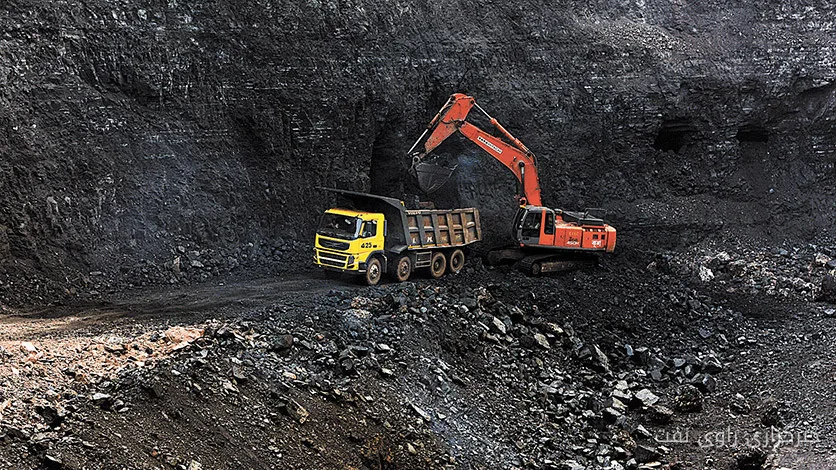
The increase in coal demand this year is particularly noticeable in the winter season. According to the latest reports, liquefied natural gas (LNG) flows from the Persian Gulf are still more than 75% lower than pre-February 28 levels. In Europe, the benchmark natural gas contract is trading in November at over €81 per megawatt-hour, while the price of coal is on average 80% cheaper than LNG.
Challenges Facing Coal and Natural Gas
Despite criticisms and regulations regarding climate change due to carbon emissions and other pollutants, coal remains a staple of the global energy system. This is due to the accessibility, low cost, and reliability of coal. However, global oil exports have recently been declining, attributed to regulations that have increased the cost of electricity generation from coal in many parts of the world.
Read more: Gradual Return of Capacity in International Shipping with Trip Cancellation Tracker
In September, the International Energy Agency (IEA) announced that it expects coal demand to reach its highest level this year. Despite increased LNG export and import capacity and the closure of many coal-fired power plants in Europe and North America, coal demand, particularly in the fourth quarter of the year, is expected to rise significantly.
Impact of War on Gas and Coal Trade
Since the onset of the war in Iran, gas trade has been disrupted. In September, it is estimated that 21 LNG shipments left the Strait of Hormuz, the highest monthly number since the war began, although this figure is down from over 60 shipments before the war.
Additionally, due to increased attacks on tankers in the waters of the Persian Gulf, LNG flows have been severely affected. In the past two weeks, nearly 20 attacks on the maritime fleet, including LNG-carrying ships, have been reported. In this situation, coal remains a safer and cheaper option for energy supply.
Australian coal is currently trading at $5.40 per million BTU, which incentivizes governments to reconsider their energy transition plans towards LNG. This is particularly true for the world's largest energy importers, including Japan, South Korea, and China. Reports indicate that these three countries imported a total of 122 million tons of coal in the third quarter of this year.
Read more: Merger of TT Club and UK P&I Club to Create First Joint Transport Insurance · Increase in Global Crude Oil Loading in 2025 by Banchero Costa



