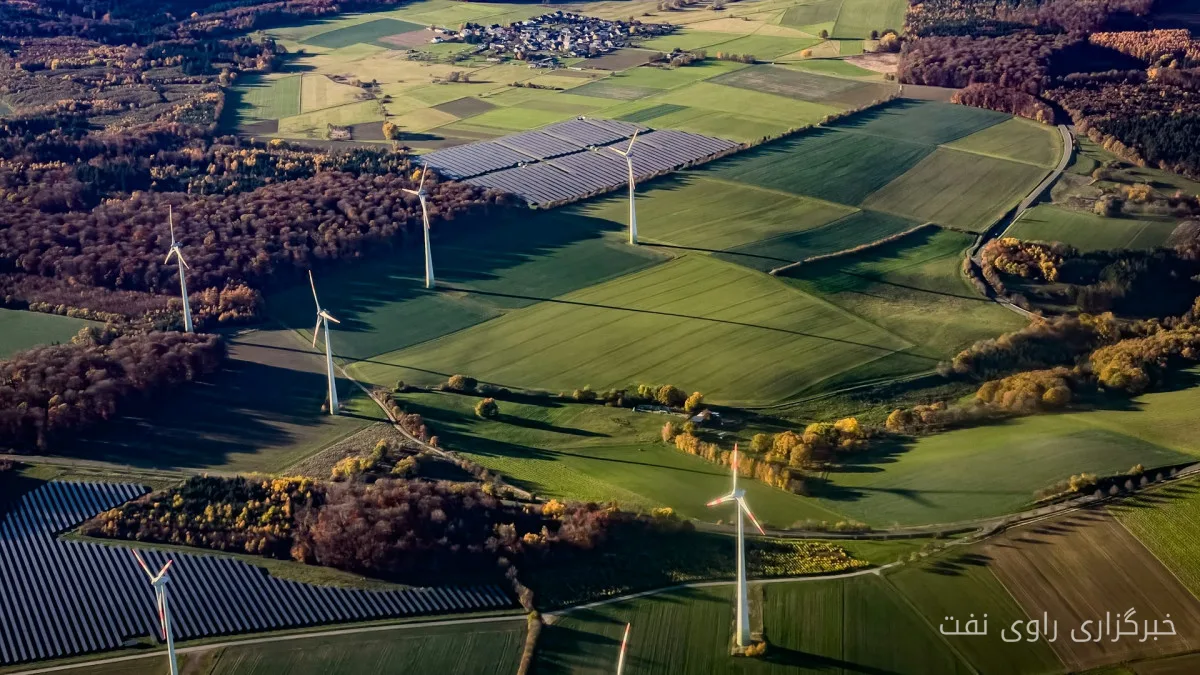
The International Energy Agency (IEA) announced in its new report that global renewable energy capacity will reach 4,800 gigawatts (GW) by 2031. This capacity increase, which is equivalent to a 57 percent growth compared to the past six years, is driven by recent crises in the Strait of Hormuz and rising fuel prices, pushing various countries towards greater use of renewable energy.
Capacity growth in emerging markets
For the first time, it is expected that emerging markets outside of China will align with the increase in clean energy capacity in developed countries. During this period, developing and emerging countries outside of China will make significant progress in renewable energy capacity growth due to concerns related to energy security and supportive policies. Projections indicate that this growth will be nearly 20 percent higher than last year's IEA report estimates.
Read more: Abu Dhabi National Oil Company turns to artificial intelligence
Increase in wind capacity and its impact on China
Global wind energy capacity is also expected to increase by more than 70 percent, reaching 2,040 gigawatts by 2031. Meanwhile, China's share of global renewable energy capacity growth will decrease from over 60 percent in 2025 to 53 percent by 2031. In contrast, countries like India, Southeast Asia, Africa, and the Middle East will significantly increase their share of global renewable energy capacity growth.
IEA Executive Director Fatih Birol stated, "In the past, environmental concerns were the main driver of renewable energy growth, but now, energy security has emerged as a top priority for various countries. This shift in priorities has led to an increased use of renewable energy to reduce countries' dependence on imported fuels."
Read more: IAMC conference emphasizes the importance of practical cooperation in marine clusters · Middle East steel market growth to $60 billion by 2031