Harbour Energy reached a production of 484,000 boed in the third quarter of this year, showing a 9 percent increase compared to last year. The company has set a new record with an average of 501,000 boed for the first nine months of the year. Harbour Energy's annual production forecast has been increased to 500,000 to 505,000 boed, a rise attributed to strong operational performance and the integration of LLOG in the United States and Waldorf in the UK.
Production Distribution and Active Areas
Harbour Energy's production in the third quarter is generally divided into three segments: 40 percent liquids, 40 percent European gas, and 20 percent other gases. The addition of LLOG in the United States since February and Waldorf in the UK since July has significantly offset production declines in Indonesia and Vietnam, as well as natural production declines in the UK. Production in October averaged 511,000 boed due to maintenance schedules and Hurricane Isaias in the United States.
Read more: Oil Industry Prepares for Potential Tax on Windfall Profits
Operational Areas and Future Projects
Norway is recognized as Harbour Energy's largest production source with 177,000 boed in the first nine months of the year, followed by the UK with 142,000 boed, Argentina with 74,000 boed, and the United States with 35,000 boed. The increase in production in Norway is due to high reliability in key hubs and new drilling in the Njord field and the startup of Skarv satellites.
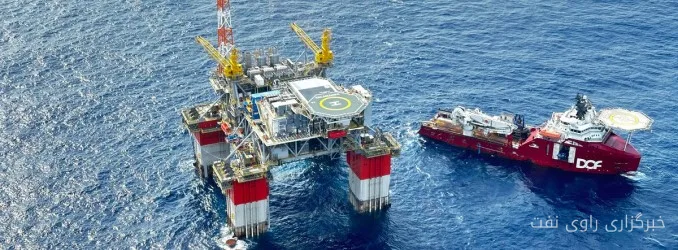
In the Gulf of Mexico, a new drilling rig was added in September to accelerate high-return investments in Harbour's projects. The Salamanca FPS project, designed to supply groundwater, is on track for a final investment decision (FID) by the end of the year. Harbour has also received 12 new licenses, 8 of which will be as an operator.
In Norway, the Gjøa North and Ofelia projects were approved in the second quarter, and five other projects are also planned to reach FID, which have the potential to offset 100 percent of Norway's reserves. Additionally, in Egypt, the exploratory well EZZ-2 has been connected to existing infrastructure and its production began in the third quarter.
Harbour's operating costs are reported at $13.9 per barrel, up from $12.8 last year, and the forecast for operating costs for the full year remains around $14.5. Additionally, the forecast for capital expenditures remains unchanged in the range of $2.2 to $2.4 billion.
Read more: Ministry of Oil Increases Gas Production at South Pars Field · Increase in LNG Prices in Asia and Europe Due to War and High Demand