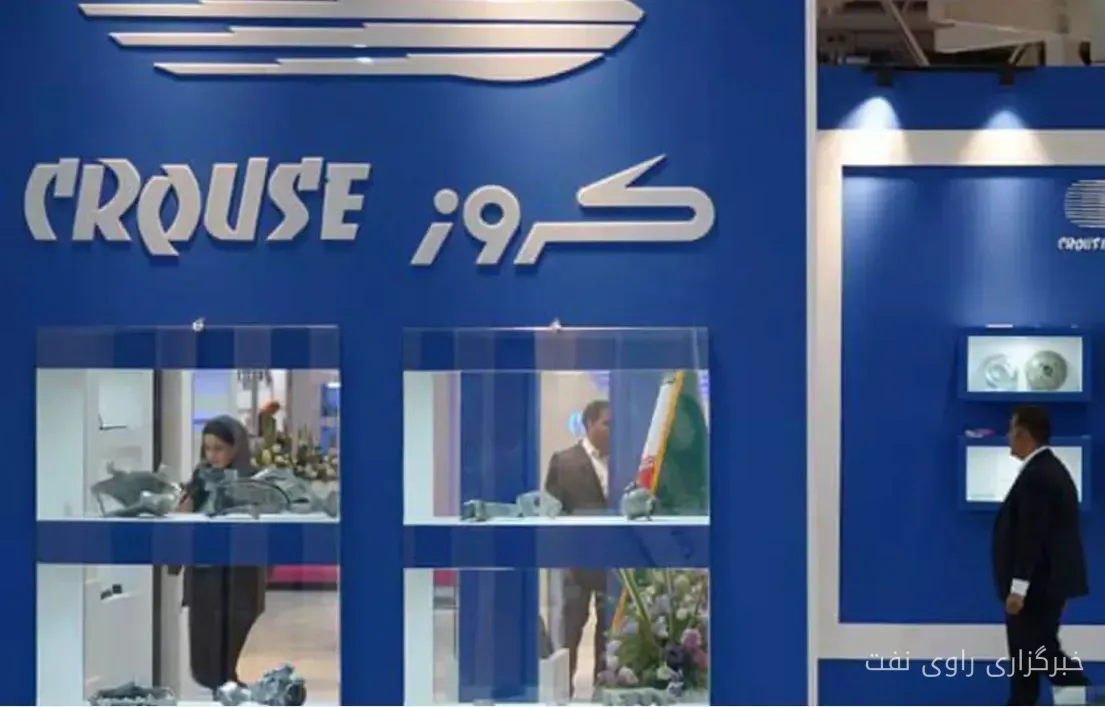
Hamid Keshavarz, founder of Kourosh Manufacturing Industries, pointed out multiple challenges facing Iran's automotive industry at the screening of the documentary "Horse Without Steam 2" at Sharif University of Technology. He criticized unstable policymaking, dependency on imported parts, and the expansion of assembly work as factors that have led to stagnation in this industry.
Criticism of the Lack of a Clear Reference in Economic Policy-Making
Keshavarz considered the absence of a clear reference for economic guidance and the multiplicity of decision-making centers as a serious obstacle to the industrial development of the country. He stated: "It seems that the country lacks industrial and economic leadership; there is no clear reference. You cannot manage the economy in a way that you get caught between 10 different agencies for every decision." He described this situation as fatal for the automotive industry.
Industrial Development; A Neglected Priority of the Country
The founder of Kourosh expressed hope that industrial development, which has not been a priority for the country over the past 47 years, would become one of the main priorities in the second step. He emphasized: "The ruler must be wise and not give misleading directions. A good automotive industry has national value and drives the economy; it activates at least 60 other industries like steel, copper, and petrochemicals." Keshavarz also deemed the import of cars necessary and stated: "In a correct economic system, cars must be imported, but importers should operate with a clear name and identity."
The Necessity of Strengthening the Supply Chain
In response to a student's question about Iran's automotive industry's dependency on Chinese automakers, Keshavarz emphasized the importance of manufacturing engines as one of the main indicators of being an automaker. He stated: "An automaker that does not manufacture engines is not a real automaker." He also pointed to the necessity of strengthening the domestic supply chain and the ability to design and produce parts, saying: "Reducing dependency on assembling ready-made products and moving towards automotive manufacturing relying on domestic capabilities requires the development of the supply network.
China's Experience in Automotive Manufacturing
Keshavarz cited China's automotive industry experience as a successful example of developing a broad and integrated supply chain. He stated: "The strength of this industry in China is not limited to producing the final product; rather, a network of parts manufacturers and supporting industries has formed that enables the supply of various car components." Keshavarz also warned against solely relying on foreign investors to solve the automotive industry's problems and emphasized the necessity of technological collaborations.
Increasing Production Volume and Improving Quality
He identified increasing production volume and using common parts in various products as effective factors in reducing costs and improving car quality. Keshavarz referred to Toyota's experience, stating: "Toyota, which produces 9 million cars annually, has identical parts for 7 million of those vehicles." He emphasized the importance of production scale in reducing costs and stated that increasing production volume can help identify and rectify product defects.
Challenges of Electric Vehicles
Keshavarz also addressed the topic of developing electric vehicles and, considering the economic conditions and energy infrastructure of the country, deemed prioritizing this area based on each country's circumstances essential. He stated: "Fuel prices, climatic conditions, and the composition of electricity production resources are key factors in determining the economic justification for developing electric vehicles."