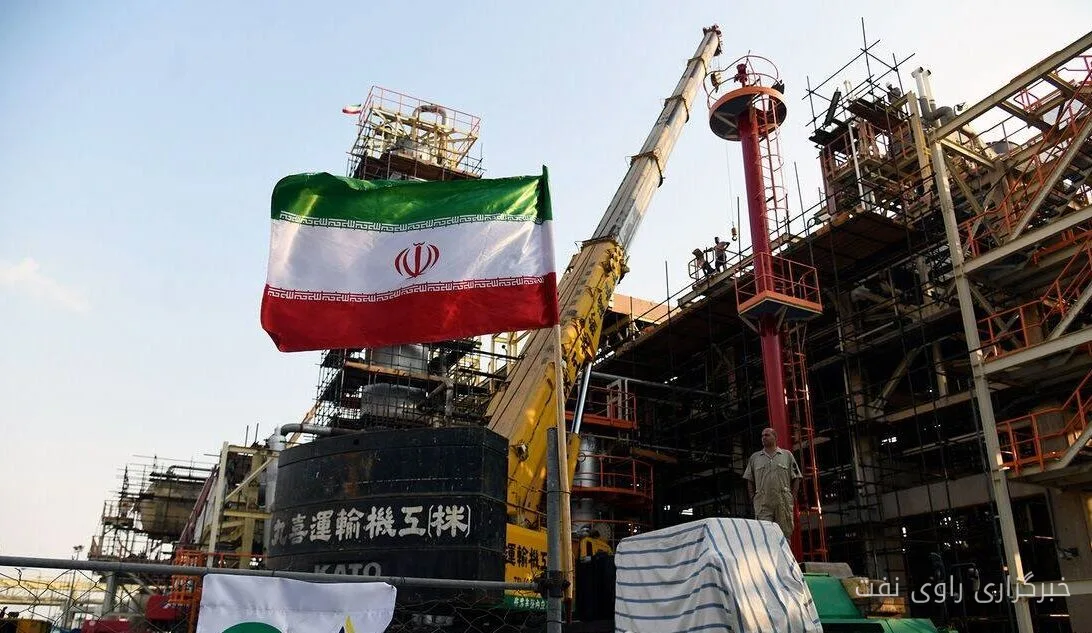
Hamid Bourd, the caretaker of the Ministry of Oil, during his recent visit to the Assaluyeh refineries, emphasized the necessity of restoring damaged facilities and announced efforts to bring back 130 million cubic meters of gas production capacity. This capacity, which had been put out of service due to damage from recent attacks, is part of the country's total gas production of 230 million cubic meters.
Crisis Management and Efforts for Winter Fuel Supply
The management of fuel and gas in the country is currently facing serious challenges. According to Touraj Dehghani, CEO of Pars Oil and Gas Company, the debris removal operations of the missile-hit facilities were completed in 2 months while adhering to the strictest safety standards. However, 130 million cubic meters of gas production capacity has not yet returned to service, and the 200 million cubic meter imbalance from previous years still persists.
Read more: BW Energy suspended its 2026 investment guide due to drilling delays
The Ministry of Oil is working to restore lost capacities by the end of Azar month by forming a war room for fuel management and accelerating reconstruction projects. Bourd emphasized that decisions must change in favor of speed and that project financing should be carried out quickly.
Progress and Challenges in Reconstruction
Farshad Moghimi, the chairman of the Board of the Organization for the Development and Renovation of Industries of Iran, announced that the physical progress of the reconstruction of Phase 14 of South Pars has reached 74% and is expected to return to the country's gas production circuit by the beginning of Dey month. This reconstruction could add 14 million cubic meters to the country's gas production capacity.
On the other hand, Farakh Ali Khani, the integrated planning manager of the National Iranian Oil Company, also emphasized the importance of ongoing work and efforts in the field of production and reconstruction. Given the effects of sanctions on the supply of equipment and resources, efforts to reconstruct complex refinery facilities require time and advanced resources that are not easily accessible.
Hamid Bourd also referred to the necessity of accelerating project implementation with appropriate financing and said: "Despite the difficulties, we must make every effort for the country and benefit from the cooperation of the people. The people should know that we are facing a tough enemy and we hope they will continue to stand by us."
Read more: Missile attack on Saudi oil refinery and increase in oil prices · Indian petro-refinery company reduces Russian oil purchases