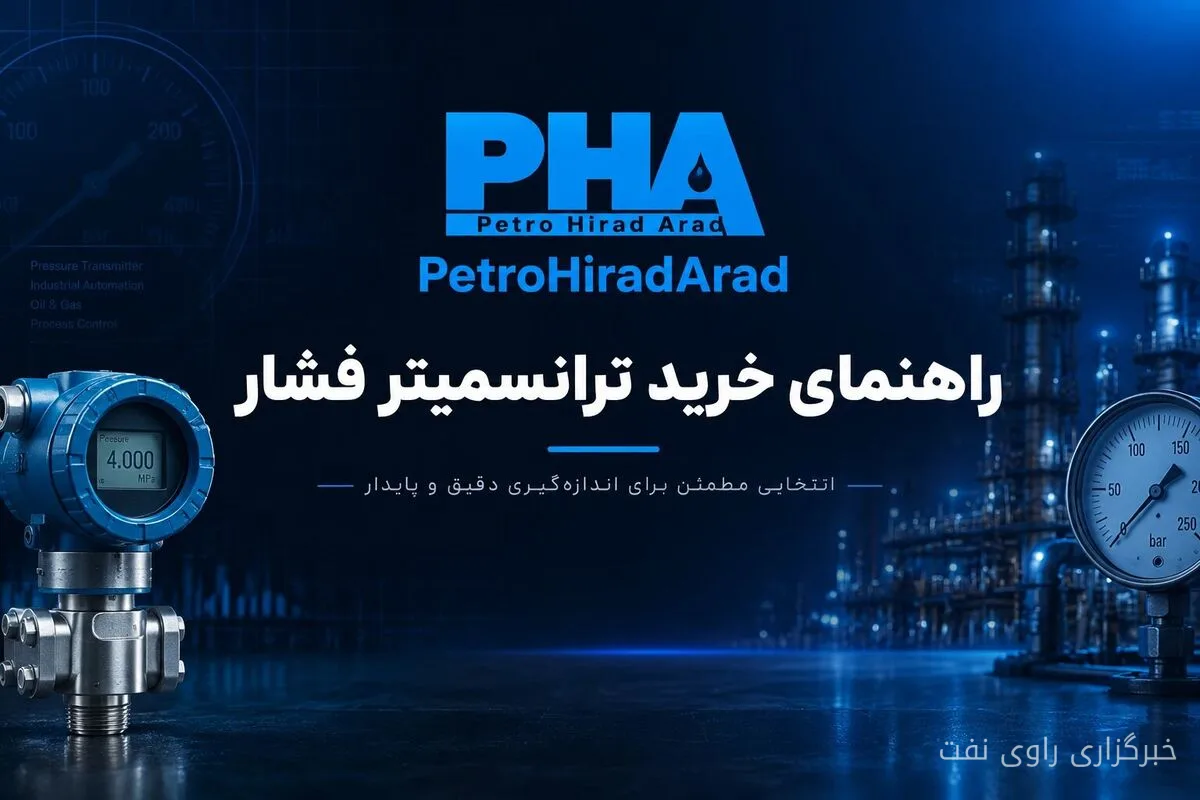
A pressure transmitter is an industrial measuring device that converts the physical pressure of a process fluid into a standard electrical signal. This signal is received by the control system (PLC or DCS) and is used for regulation, monitoring, or alarm purposes. In Iranian industries, incorrect selection of a pressure transmitter can lead to high operational costs and reduced system efficiency.
The Importance of Correct Selection
In a hypothetical scenario reflecting common events in process industries, imagine a pressure transmitter selected to measure steam pressure in a petrochemical unit; just four months after installation, the device experiences severe drift. The result of this is emergency calibration, a shutdown of the line for two shifts, and complete replacement of the device. The actual cost of these issues will be several times the initial price of the device.
Read more: Stability of Ship Valuation in the Weekly Report of September 29, 2026
Technical Criteria for Selecting Pressure Transmitters
The selection of a pressure transmitter should be based on precise technical criteria and compatibility with process conditions. Measurement range, Turndown Ratio, Over-pressure Rating, and communication protocol are among the important parameters that must be considered. For example, a transmitter with a range significantly higher than the operating pressure reduces measurement accuracy at the working point.
Pressure transmitters are divided into four main categories:
- Absolute Pressure Gauge: Measures pressure relative to a complete vacuum and is suitable for accurately measuring low pressure.
- Gauge Pressure Gauge: Measures pressure relative to the ambient atmospheric pressure and is the most commonly used type in the oil, gas, and petrochemical industries.
- Differential Pressure Gauge: Measures the pressure difference between two points and is primarily used for measuring flow and liquid level.
- Diaphragm Seal Pressure Gauge: Designed for viscous fluids and leak-sensitive applications, it is used in the food and pharmaceutical industries.
Additionally, IEC 60770 and IEC 61508 standards should be considered for evaluating the accuracy and safety of device performance. Incorrect selection of diaphragm materials and Fill Fluid can also lead to premature device failure.
The Impact of Environmental Conditions
Environmental conditions also affect the selection of pressure transmitters. In desert areas with temperatures above 60 degrees Celsius and mountainous regions with temperatures below minus 30 degrees, a range of minus 40 to 85 degrees Celsius is recommended in the purchasing specifications. Furthermore, high humidity in coastal areas and dust in desert regions necessitate appropriate corrosion-resistant coatings and IP Ratings.
Finally, the purchase price is only part of the Total Cost of Ownership, and maintenance, calibration, and lead time for spare parts must also be considered. For equipment in critical industries, the availability of spare parts and service is also of high importance.
Read more: Firefighters in Rescue Operations to Save Lives in Fires · Weekly Dry Charter Time Estimate for Oil Fields in September 2026