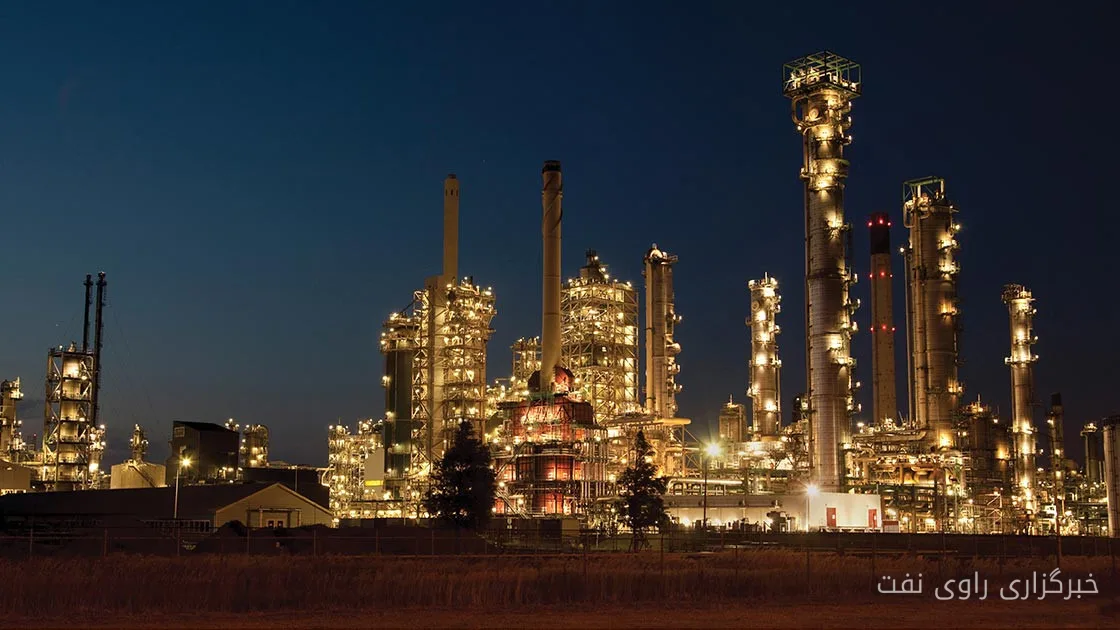
Google, as one of the largest technology companies in the world, is launching a new data center called Project Skyway in Pine Island, Minnesota. This data center, with a production capacity of 780 megawatts, is set to be powered in collaboration with Xcel Energy and will help develop renewable energy sources in the region.
Renewable Energy Development in Minnesota
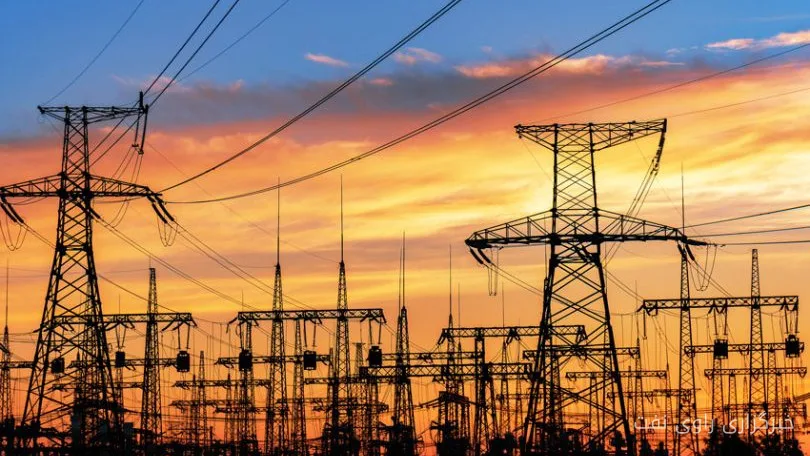
According to the presented plans, Google has begun its collaboration with Xcel Energy to develop 1.4 gigawatts of wind energy, 200 megawatts of solar energy, and 300 megawatts of battery storage. These projects have the capacity to power the data center, and their overall production capacity exceeds the energy needs of the data center. However, wind and solar energy production is affected by weather conditions, and battery storage cannot increase electricity generation.
Read more: The United States is seeking new materials to compete with China in the nuclear industry
Social and Environmental Challenges
Despite Google's promises for renewable energy development, surveys show that 71% of American citizens oppose the construction of data centers in their local areas. In a survey in Pine Island, 75.8% of participants opposed the construction of Project Skyway. Additionally, environmental groups have expressed concerns about the environmental impacts of this project and are calling for a more thorough analysis of its effects on water resources and environmental quality.
The U.S. government predicts that electricity demand from data centers will reach 11.8% of the country's total electricity consumption by 2030. In this context, electricity consumption from data centers could increase by 446 to 818 billion kilowatt-hours by 2050, which is equivalent to 22 to 33% of the electricity consumption of commercial buildings.
Given this increase in demand, Google is seeking to source its energy from renewable resources, aiming to be fully powered by carbon-free energy by 2030. This action not only helps reduce carbon impacts but is also effective in garnering local support and reducing opposition to the project.
Although this project is seen as a positive initiative in sustainable energy, social and environmental challenges remain and require careful attention and management. Google must respond carefully to local concerns and provide solutions to gain the community's positive opinion.
Read more: The Energy Institute has launched a new program to overcome barriers to AI adoption · Francesco La Camera announced a new target for renewable energy capacity of 18.4 terawatts by 2035