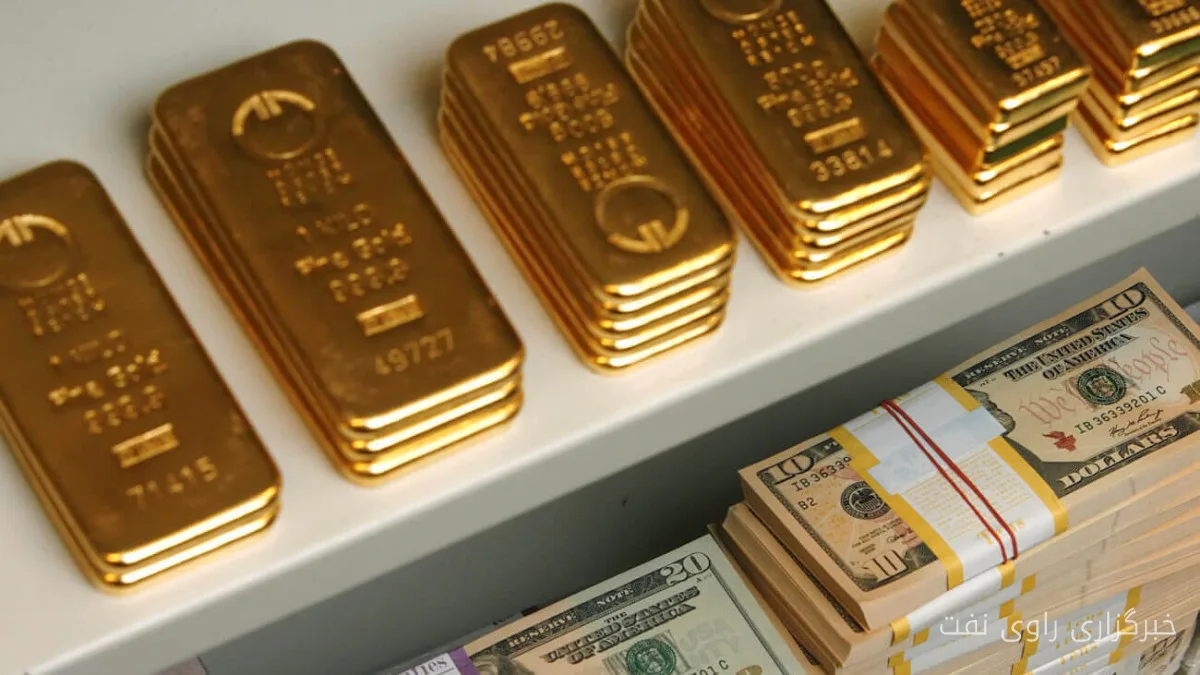
Gold producers in Asia are increasingly changing their approach to gold extraction and export. These changes are particularly evident in Laos and Indonesia, where these countries are trying to gain more value from their gold resources by establishing domestic refineries and imposing export taxes.
Gold Production in Laos and Establishment of the Gold Bank
Laos produced about 12 tons of gold in 2025, securing the sixth position in Asia. The country's reserves are estimated to be between 500 and 1000 tons. The Lao government established the Lao Bullion Bank in 2024, aimed at refining gold domestically and increasing the share of gold in the country's foreign reserves. Laos Prime Minister Sonexay Siphandone has identified gold development as a key priority in strengthening the country's economic base.
Read more: Iran's Foreign Minister Calls for Easing Sanctions for Return of Nuclear Inspectors
Indonesia and China's Actions in the Gold Market
Indonesia, the tenth largest gold producer in the world with over 100 tons produced annually, announced an export tax of up to 15 percent on gold last year, which will take effect in 2026. This tax is imposed in response to domestic investment demand and a mismatch with domestic supply. Additionally, China, as the largest gold producer with slightly over 380 tons produced annually, is significantly increasing its gold purchases and restricting its exports. Market analysts believe that restrictions on gold leaving China due to the country's domestic policies will impact global prices.
These movements occur as central banks in various countries seek to diversify their foreign reserves. For example, since the early 2020s, the Central Bank of Madagascar has been purchasing domestically produced gold, and Ghana, as the sixth-largest gold producer, signed an agreement with the World Gold Council in July to reduce illegal mining. These movements indicate fundamental changes in the gold market that could affect prices and gold supply globally.
Overall, this trend is seen as a new form of resource nationalism that could exert upward pressure on gold prices in the medium to long term. With decreasing confidence in the dollar as the global reserve currency, gold producers are seeking to preserve the value of their resources and avoid cheap exports to Western countries. These changes may benefit the economies of gold-producing countries and potentially lead to an increase in gold prices.
Read more: Trump Deploys 9,000 Troops and Third Aircraft Carrier to the Middle East · 1.9% Increase in Industrial Producer Prices in the Eurozone and the European Union