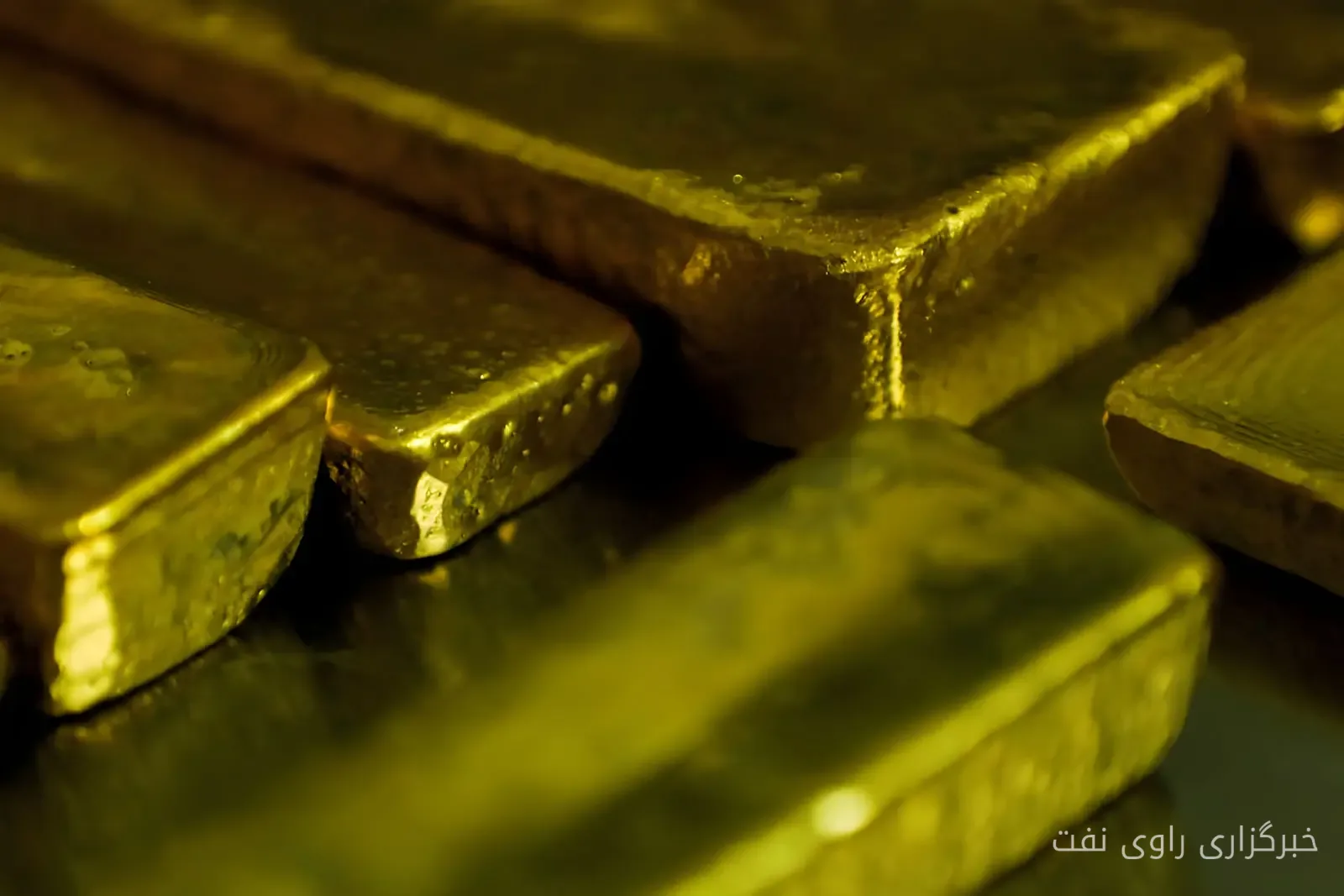
The global gold price has decreased under the influence of the recent rise in oil prices and growing concerns about inflation. Currently, gold is trading in the range of $4,120 per ounce, indicating a 0.6 percent drop from yesterday.
Oil Price Trends and Their Impact on Gold
The price of oil has reached its highest level in the past five months, particularly following Iran's announcement regarding the necessity of controlling the Strait of Hormuz. These developments have heightened concerns about inflation and its impact on Federal Reserve monetary policies. Since the onset of the U.S.-Iran war in late February, the price of gold has intermittently decoupled from oil, and disruptions in energy shipments from the region have exacerbated inflationary pressures.
Read more: Gustavo Pimenta's report on the impact of the Simandou field on the iron ore market
Monetary Policies and Their Impact on Gold Prices
Rising interest rates and borrowing costs are typically detrimental to gold, as holding this asset usually does not yield returns. Currently, the market is looking to predict the Federal Reserve's next steps in controlling inflation. Federal Reserve Chair Jerome Powell spoke on Friday, which did not indicate a change in market expectations. Currently, the likelihood of a 0.25 percentage point interest rate increase at the upcoming meeting has dropped to less than 20 percent.
However, gold continues to trade above $4,100 in October. This metal, having fallen over 6 percent last month, is currently experiencing a period of price stabilization. Nevertheless, the gold price is still about 20 percent lower than at the start of the U.S.-Iran war in late February.
Traders, despite the reduced likelihood of an interest rate hike at the upcoming meeting, still see a 90 percent chance of another increase by the end of the year. This situation reflects market instability and the challenges facing investors in the current environment.
Read more: Forecast of increased natural gas storage in the United States by EIA · Rise in crude oil prices following a decrease in U.S. stockpiles and uncertainties in the Middle East



