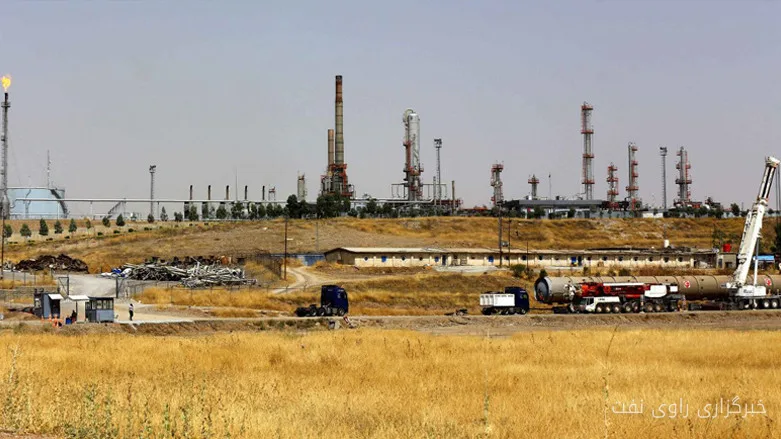
Global oil reserves have sharply decreased, making the market more vulnerable to supply shocks. Eight months into the war in Iran, global oil reserves are nearly depleted, and this issue drives prices higher every time a threat to oil supply from the Middle East arises.
Increased Pressure on Prices
Despite estimates that crude oil supply from the Middle East has returned to or even exceeded pre-war levels, fundamental realities indicate that markets are tightening. Transportation costs, trade routes, and tanker expenses are far from normal. While crude oil is flowing in greater quantities, fuel exports from this region remain severely limited, putting additional pressure on diesel and gasoline prices.
Read more: Farakh Alikhani Appointed as Head of the National Iranian Oil Company
Impact of Supply Crises
Before the crisis in the Middle East began, the world was moving towards an oversupply, with a gradual reduction in production by OPEC in 2023 and an increase in non-OPEC production, especially from the Americas. However, this crisis not only eliminated the oversupply but also reduced the reserves of various countries that were used to protect against supply shocks. According to Mike Wirth, CEO of Chevron, "Every time we go through these cycles, the floor for prices rises a bit higher, and the system remains more sensitive."
Amin Nasser, CEO of Saudi Aramco, stated at this meeting that the world entered this crisis with nearly 10 billion barrels of oil reserves. Since then, nearly 3 billion barrels of crude oil supply have been lost, which is almost half of the crude oil and typical products that have passed through the Strait of Hormuz during this time. He added that "estimates indicate that less than 6 billion barrels of commercial inventory remain, and the majority of it is practically unavailable."
In the past seven months, many market participants hoped that the war would end at any moment and that oil flow would return to normal. Now, the reality that the world no longer has extra barrels to compensate for supply disruptions keeps oil prices elevated, and every time there is fear of supply from any corner of the world, the price floor rises.
Read more: Search for New Oil and Gas Reserves by the National Iranian Oil Company · Oil Flow from the Strait of Hormuz Reached Pre-War Levels



