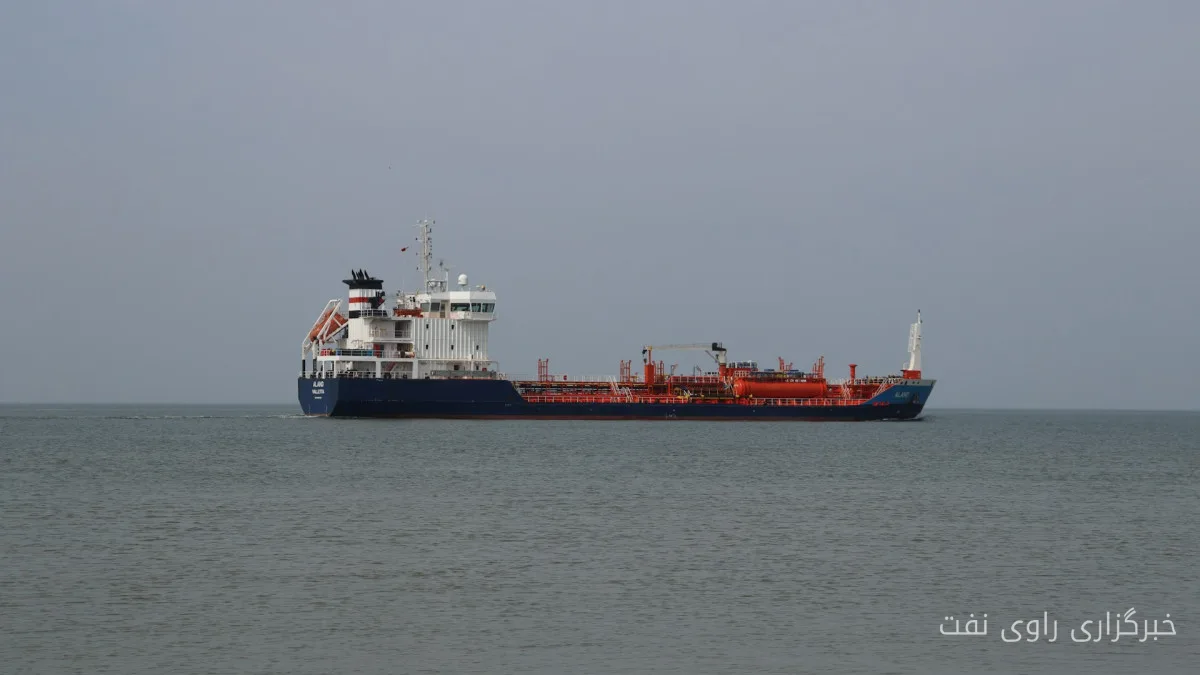
Oil flow from the Strait of Hormuz has reached levels higher than pre-war. Reports indicate that this flow has varied between 19.5 million to 22.5 million barrels per day during the period from September 27 to September 29. These figures are nearly double the daily flows of the past month.
Impact of Houthi and Iranian Attacks
While oil flow from the Strait of Hormuz has increased to these levels, Houthi attacks on Saudi energy infrastructure and Iranian attacks on tankers in the strait continue. This situation has led some analysts to express doubts about the sustainability of these flows. However, according to preliminary data from Kpler, the current price of Brent crude oil is $101.20 per barrel and the price of West Texas Intermediate (WTI) is $89.73 per barrel.
LNG Flows and Qatar Energy Challenges
In addition to oil, liquefied natural gas (LNG) flows from the Strait of Hormuz have also reached pre-war levels. This is a significant development, considering that Qatar Energy is still under force majeure on its exports. Reports indicate that the company is exploring the purchase of some LNG cargoes to meet certain long-term contracts. However, even with these emergency purchases, flows from this third-largest exporter in the world are unlikely to return to pre-war levels.
Overall, new data indicates a significant increase in oil and gas flows from the Strait of Hormuz, which could have a substantial impact on the global energy market. At the same time, the continuation of attacks and tensions in the region could affect this trend.
Read more: Aref examined new technologies in the oil and gas industry · Saudi Arabia lowered the price of crude oil in Asia and raised the rate in Europe



