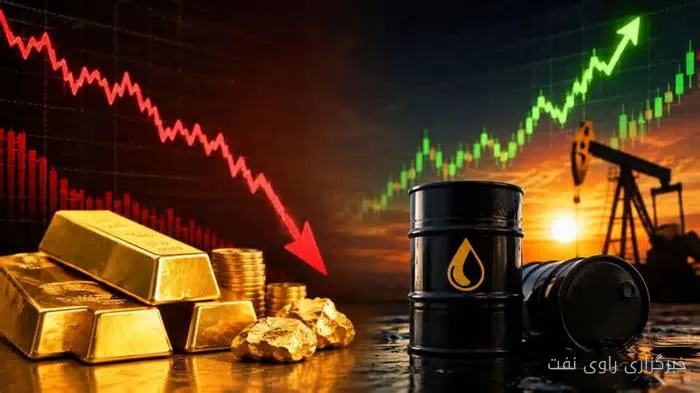
In recent days, global oil prices have increased to over $115 per barrel due to rising concerns about energy supply disruptions in the Middle East, especially following recent tensions in the region. This upward trend in Brent oil prices has occurred particularly due to increased demand and worries about political instability in oil-producing countries.
Oil Market Analysis
According to reports, demand for oil in global markets, especially in Asia and Europe, is on the rise. Given that major oil-consuming countries, particularly China and India, are returning to normal economic conditions after the COVID-19 crisis, this increase in demand is considered one of the key factors driving up oil prices. Additionally, reduced oil supply from some producing countries due to political and economic issues has exacerbated this situation.
Read more: Oil Prices Rise After Attack on Saudi Arabia's Largest Refinery
Gold Prices and Economic Impacts
In contrast, gold prices are decreasing due to heightened economic concerns and rising interest rates by the Federal Reserve. Analysts believe that increasing interest rates could negatively impact the gold market, as investors shift towards higher-yielding assets. Currently, gold prices have fallen below $1,750 per ounce, indicating significant changes in financial markets.
The rise in oil prices and the decline in gold prices reflect an imbalance in global markets and economic reactions to complex political and economic conditions. This situation could have widespread implications for the global economy, including increased energy costs and changes in investment patterns.
Given the current situation, analysts believe that if tensions in the Middle East continue and economic instabilities persist, oil prices may rise to higher levels, which could have profound effects on global markets.
Read more: India's Peak Gasoline Demand is Likely to be Realized by 2035 · Oil Trade with Potential Escalation of Tensions in the Middle East After the U.S. Elections



