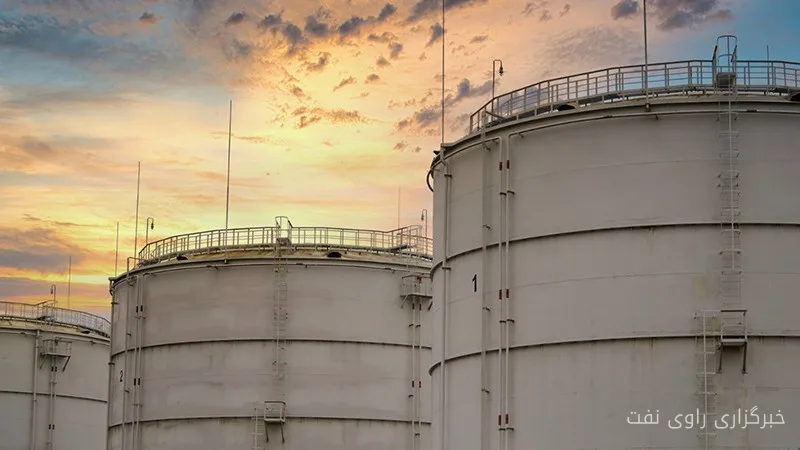
The diesel supply shortage in global markets, due to reduced refinery capacity and increased demand, will continue until 2027. Currently, crude oil imports in Asia have increased to 26.39 million barrels per day (bpd) in October, which shows a significant growth compared to 24.24 million barrels per day in September.
Status of Crude Oil Imports and Supply
Asia's crude oil imports have approached the pre-war average of 27 million barrels per day, which was recorded before the Iran war, and have increased by 39 percent compared to the lowest level during the war, which was 19 million barrels per day in April. Meanwhile, imports of diesel and other refined products from the Middle East have sharply decreased.
Read more: Reviving the Production Capacity of South Pars Gas is a Priority
Challenges for Refineries and Global Impacts
The reduction in refinery activity in the Middle East, especially following Iran's attacks in the early days of the war, and the decrease in refined flows from the Strait of Hormuz, have severely reduced supply to the market. According to analysts, global diesel supply remains under pressure due to issues arising from the Ukraine war and reduced diesel exports from Russia. This situation has led to increased refining margins and retail prices reaching their highest levels in the third quarter of the year.
Despite improvements in crude oil flows, refineries outside the Middle East and Russia cannot compensate for the capacity shortage. China is expected to have a significant impact on regional supply in Asia in the short term with its export policies. In this regard, analysts believe that the global diesel shortage may continue until 2027.
The International Energy Agency (IEA) has warned that global diesel and gasoil exports have significantly decreased since the onset of the Middle East crisis, and this situation will persist until 2027.
Read more: Major Oil Companies Focus on Reducing Debt · India's Crude Oil Imports Hit Record 5.54 Million Barrels Per Day in October



