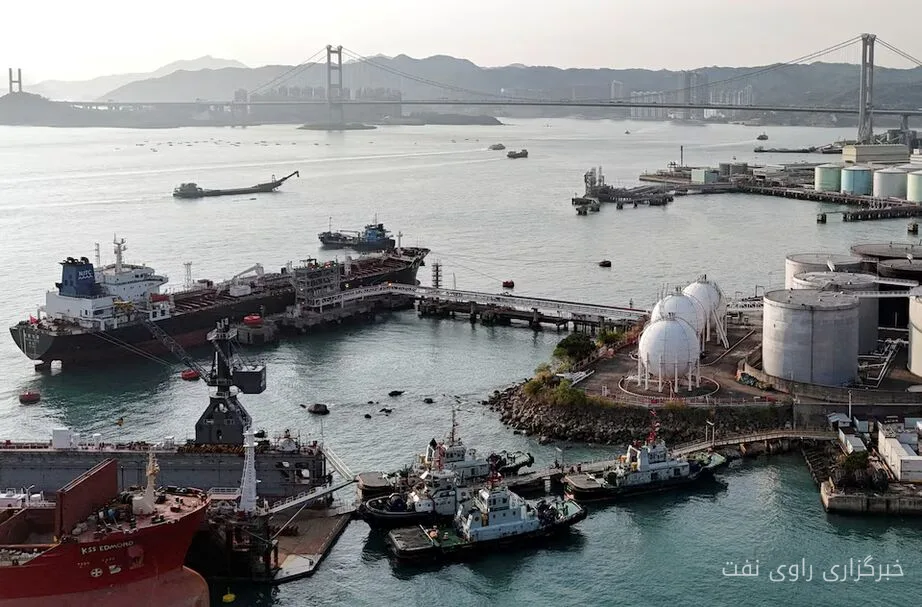
The global diesel shortage due to the U.S. and Israeli regime's war against Iran and the military conflicts between Russia and Ukraine has severely impacted global markets. Industry players predict that the diesel shortage situation will not improve before 2024, leading to increased fuel prices and pressure on the economies of countries.
Impact of Wars on Diesel Supply
Wars and military conflicts have seriously disrupted diesel supply, causing a daily reduction of millions of barrels of fuel from the Middle East and Russia. This situation has led to diesel storage reaching its lowest historical level and unprecedented price increases. For example, the retail price of diesel in the U.S. has exceeded $6 per gallon for the first time this month, creating challenges for farmers and truck drivers.
Read more: Increased Pressure on Governments Following Decrease in Gas Storage in Europe
Decrease in Storage and Future Predictions
According to the U.S. Energy Information Administration, the total diesel storage in the country has decreased to 107.9 million barrels as of September 11, the lowest level since records began in 1982. Steven Barsamian, Chief Operating Officer of Tank Tiger Brokerage, stated that the capacity for diesel storage available for rent in North America has reached 13 million barrels, the highest amount in four years.
Barsamian also noted that the rapid withdrawal of diesel from storage tanks indicates a supply shortage in the market, and industry players predict that this situation will continue at least until the first quarter of 2024. Meanwhile, it is expected that distillate fuel storage in the U.S. will fall below the levels of the past five years by the end of 2026 and for much of 2027.
The diesel shortage in Europe is also still noticeable. According to data from Insights Global, storage in the Amsterdam-Rotterdam-Antwerp region was 16% lower than the five-year average in July. Additionally, the average total storage of distillate fuels in Singapore has reached about 8.2 million barrels.
Industry managers predict that global diesel supply will continue to face limitations throughout the winter, especially if tensions in the Middle East disrupt fuel exports and the ban on Russian diesel exports continues until the end of October. Meanwhile, analysts believe that the increase in diesel refining margins may encourage more production, but fundamental market factors indicate that high diesel prices will persist for some time.
Read more: 324% Increase in Shipping Rates from the Far East to the U.S. West Coast Following the Hormuz Crisis · Increase in the Baltic Dry Freight Rate Index for the Second Consecutive Day



