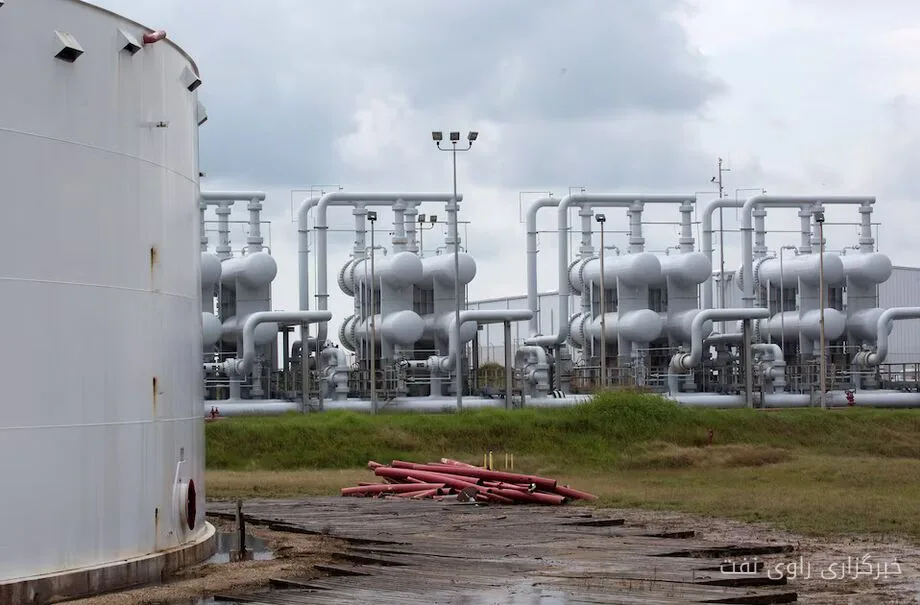
The reduction in gas storage in Europe to 69%, which is below the 85% average over the past five years, has increased pressure on governments and intensified public dissatisfaction. This situation is particularly acute in Germany, the largest economy in Europe, where the "Alternative for Germany" party has won in recent state elections.
Gas Storage Situation and Its Impacts
According to data from the European Gas Infrastructure Association, storage acts as a buffer against shocks from supply shortages and price increases during peak winter demand months. Germany and the Netherlands, as two countries with 35% of the European Union's storage capacity, are currently lagging in gas storage. High energy prices due to international tensions have diverted private companies from purchasing and governments from adhering to national storage targets.
Read more: Enerparc AG, the largest independent solar power operator in Europe, has gone bankrupt
Economic Consequences and Forecasts
Jonathan Shor, an analyst at UniCredit Bank, has warned that as we approach peak winter consumption, each month of delay in filling storage tanks increases pressure on prices. The global oil price has risen above $100 per barrel, and the prices of gasoline and diesel have increased by 24% and 38%, respectively. Additionally, the gas index price has reached €81 ($93) per megawatt-hour, which is a 150% increase compared to last year.
According to forecasts, gas prices may reach €100 per megawatt-hour, and the main risk will be the reduction in gas storage and the continued rise in prices. This situation could lead to widespread withdrawals from gas storage and supply shortages in the coming years, which would be bad news for the economies of countries.
Research from the Bank of Italy shows that shocks from rising gas prices have more severe and lasting consequences. Meanwhile, energy-intensive industries such as airlines and chemical industries will suffer the most. Peter Kazimir, a policymaker at the European Central Bank, emphasized that more attention is being paid to gas and electricity prices.
Read more: A tanker in the Strait of Hormuz was targeted by an unknown project · China has committed to reducing steel production to control inventories



