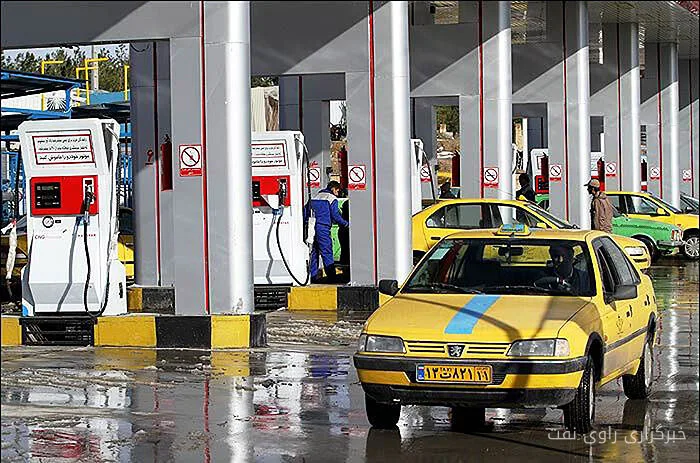
The Gulf Coast is undergoing a major transformation in the natural gas industry. Analysts and developers of new storage and pipeline projects in the region announced at the Gulf Coast Energy Conference in New Orleans that natural gas demand will significantly increase due to rising LNG and electricity projects.
Gas Infrastructure Development
According to forecasts, natural gas demand in the Gulf Coast is expected to reach about 35 billion cubic feet per day (Bcf/d) by 2031, more than double the expected level in 2025. This increase in demand is primarily driven by LNG exports, which are expected to account for about 80 percent of the demand growth during this period.
Read more: Increase in Container Ship Traffic in the Suez Canal to 50 Percent Capacity Before Disruption
James Pearson, an analyst at ConocoPhillips, stated that natural gas markets have become highly volatile due to demand instability and disproportionate infrastructure growth. He emphasized that "we need more storage" and also pointed to the need for more interstate pipelines essential for gas transportation.
New Storage Projects
Developers are currently changing their investment decisions due to market developments. Elizabeth Perez, business development manager at Enbridge, said, "The need for storage has changed and is no longer a seasonal requirement. This need has widely included marketers and LNG players."
Enbridge is expanding storage capacity at its facilities in Tris Palacios, Mass Buff, and Egan, and is also bringing to market the "Caty to Glyss" development project, which could provide up to 2 Bcf/d of transportation capacity from the Caty hub to growing demand centers in southwestern Louisiana.
This project is being developed in coordination with the Mustang Express pipeline, which will connect the Cougar Lateral pipeline to Tris Palacios. These projects are designed to link the growing gas production in Permian with Gulf Coast storage capacity to downstream demand across the region.
Gulf Coast Midstream Partners is also marketing capacity at the proposed Nash storage hub in Texas, which addresses the demand of electricity producers, LNG facilities, and other consumers in the region. The first phase of this project provides 23 Bcf of working gas capacity, 900 million cubic feet per day (MMcf/d) of injection capacity, and 1.5 Bcf/d of withdrawal capacity.
According to Edmund Noll, CEO of Gulf Coast Midstream Partners, the Nash hub is the first natural gas storage project in a salt cavern in the Gulf Coast developed in about two decades. Noll also added, "Storage in salt caverns has not kept pace with market growth, and even with these developments, we cannot reach demand volumes by 2030."
Jack Wochel, an analyst at East Daley Analytics, also warned that storage could become particularly valuable during times of increased LNG export volumes. He pointed to the potential impact of major storms in the Gulf on LNG export terminals and asked, "If this event lasts seven days, how much storage capacity do you have?" and emphasized that "especially at the end of the injection season, there is not enough storage."
Read more: U.S. Natural Gas Supply Growth Will Outpace Winter Demand · U.S. Energy Information Administration Reports Injection of 67 Bcf of Natural Gas into Storage