Managing gas imbalance in the winter has become a serious challenge for industries and households. While the priority of supplying domestic gas on cold days is undeniable, the main question is how to manage this shortage and distribute its costs among different sectors of the economy.
The Complexity of the Gas Imbalance Issue
In recent years, gas imbalance has turned into a structural issue in Iran's energy economy. Limiting industries during the cold months can help reduce pressure on the gas network, but this action alone cannot solve the problem. In some industries, gas is used as fuel and can be replaced with other fuels, but in a significant part of the petrochemical industry, especially methanol, ammonia, and urea production units, natural gas is required as feedstock.
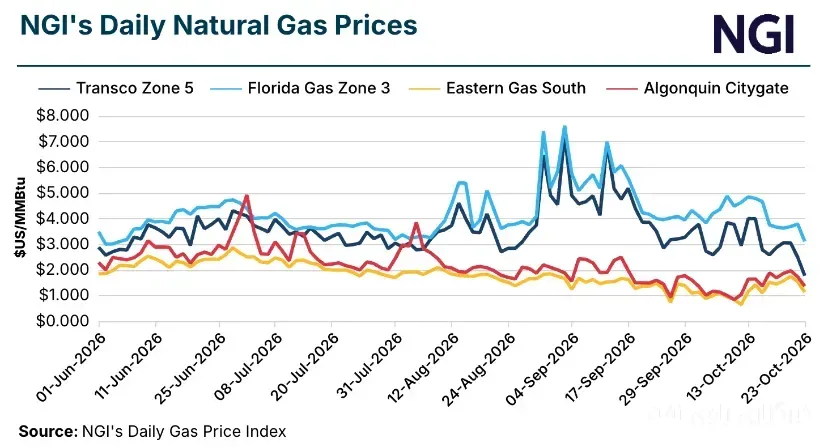
Read more: Changes in Natural Gas Price Indexes NGI Begin
Impacts on Production and Exports
Shutting down a petrochemical complex is not as simple as turning off a production line. Reducing feedstock and bringing the unit back online requires significant time and cost. Sudden decisions regarding feedstock restrictions can lead to larger disruptions and affect business planning. For example, foreign buyers plan their contracts based on the timing and quality of delivery, and the inability to meet their needs can lead to reduced purchase volumes or even loss of market.
In this regard, it is expected that petrochemical industries will focus on reducing energy intensity by optimizing energy consumption and refining processes. However, these investments require accurate and sustainable economic calculations. If industries are expected to reduce their consumption, a portion of the economic benefits from these savings should also belong to the enterprises themselves.
The Necessity of Advanced Planning
In the upcoming winter season, it is not expected that the multi-year gas imbalance will be resolved suddenly. Therefore, there is a need for a clear and specific plan in advance. It must be determined before the peak consumption what restrictions will be applied at each level of network deficit and which industries can use alternative fuels. The art of policymaking lies in achieving the goal of maintaining people's heating with the least harm to production, exports, and the industrial chain.
Ultimately, if the response to the gas shortage is merely transferring the imbalance burden to industries, the issue will remain unresolved, and only the place of cost payment will change. While the gas shortage in winter may be unavoidable, surprising the industry in this regard is not inevitable.
Read more: Pashinyan's Nuclear Approach Change Created a New Opportunity for Moscow in Armenia · Gas Storage as a Solution to Industrial Gas Imbalance