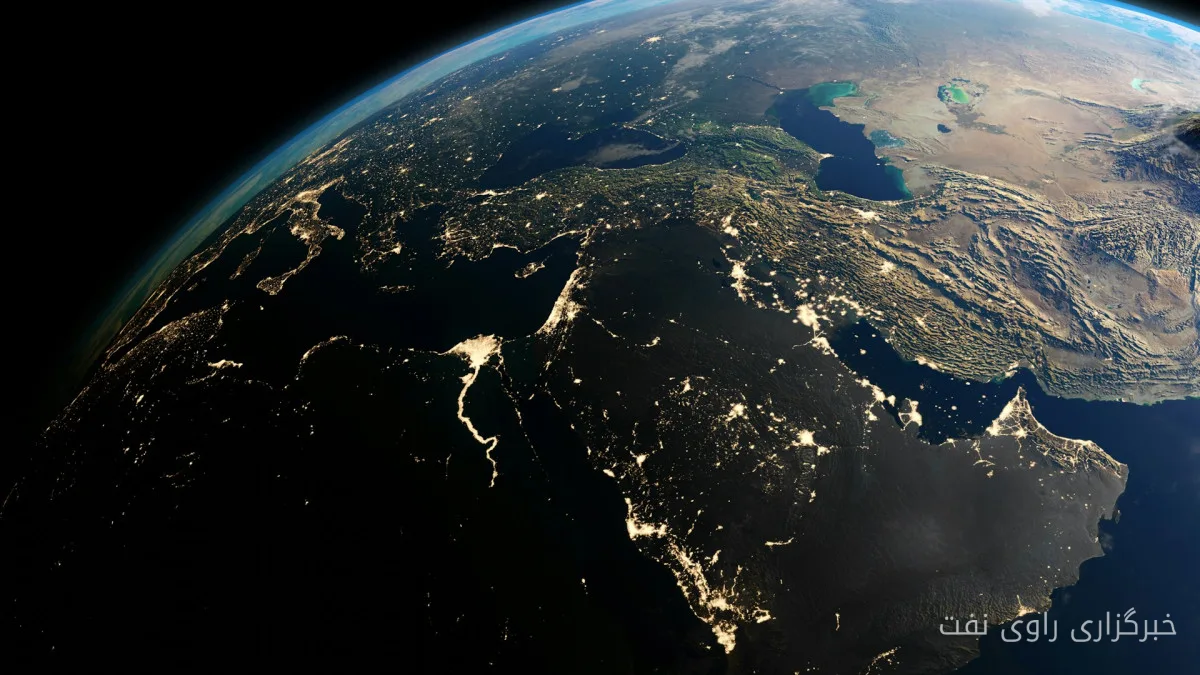
FGE NexantECA, evaluating the current situation, stated that the likelihood of an agreement between the United States and Iran is very low, and the next two months pose the highest risks of escalating tensions, which could disrupt oil flow in the Strait of Hormuz. This prediction was made following the U.S. midterm elections.
Analysis of the Current Situation
Fereydoun Fesharaki, Honorary Chairman of FGE NexantECA, stated in an interview with a television network: "We are not only far from a solution, but we are worse off than before the signing of the June memorandum." These remarks indicate a lack of significant progress in negotiations between the two countries.
Read more: 7.972% Decrease in Brent Oil Prices in the Global Market
Analysts at this energy consultancy believe that the likelihood of a U.S. and Israeli attack on Iran before January 3, when the new U.S. Congress convenes, is high. Fesharaki noted that a significant victory for the Democrats in the midterm elections may push Iran to make bolder demands in negotiations, demands that the United States cannot accept.
Consequences and Predictions
FGE NexantECA predicts that a limited attack on Iran will occur before January 3, likely between mid-November and mid-December, and may last up to four weeks. Fesharaki stated: "We expect the President to use this two-month window to strike Iran to weaken it and exert more pressure to reach an agreement."
This attack is intended to increase pressure on Iran, and it is expected that blockades and sanctions will continue during and after any attack. FGE has predicted that oil flow in the Strait of Hormuz will gradually return to normal by March 2027, after negotiations resume in early 2027.
Currently, Iran's oil exports have hit a minimum, putting severe pressure on the country's economy. Fesharaki said in his interview: "By the end of November, they will be starving as they will not earn any money." This situation could have profound implications for global oil markets and energy security.
Read more: Formation of a Defensive Block by Turkey Around Saudi Arabia · Increase in Oil Transfer Capacity of the Timor Water Unit on the Agenda of the National Iranian South Oilfields Company