The Federal Reserve of the United States (Fed) decided on March 22, 2023, to increase interest rates by 0.25 percent, marking the first increase in three years. This decision was made in response to rising energy prices and ongoing inflation, particularly driven by the war in Iran and global oil price fluctuations.
Reasons for the Interest Rate Increase
The increase in interest rates by the Federal Reserve is aimed at addressing the economic consequences of the Iran war as well as rising energy prices. The war in Iran has exacerbated disruptions in the global energy market, leading to higher oil and gas prices. In this context, crude oil prices have reached their highest levels in recent years, contributing to inflation in many countries.
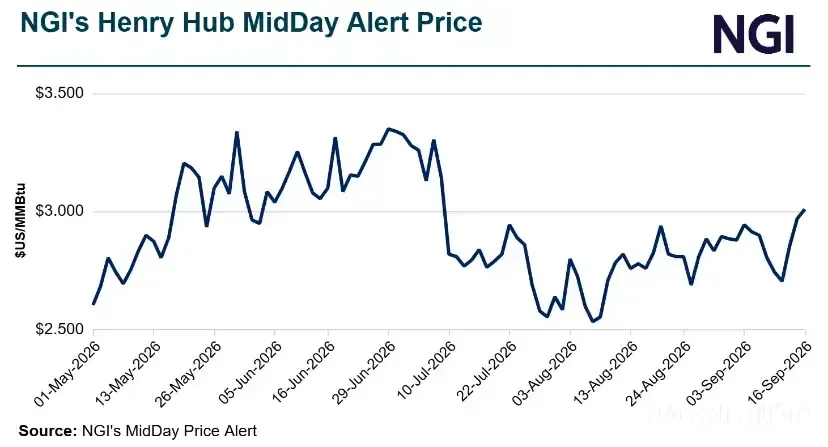
Read more: Natural gas prices drop below $3 in futures markets
Economic Consequences
With the increase in interest rates, borrowing costs for consumers and businesses are expected to rise. This rate increase could lead to reduced spending and consequently lower demand. Additionally, this action may help strengthen the value of the dollar and impact global markets. Many analysts believe that this interest rate hike could temporarily help reduce inflation, but it may also put pressure on economic growth.
Furthermore, the Federal Reserve is seeking to control inflation, which has reached its highest level in decades. The inflation rate in the United States is currently around 7.9 percent, and raising interest rates could help lower this rate. Following this decision, financial markets were significantly affected, and investors became concerned about the economic future of the United States and its implications for the global energy market.
Read more: Monthly report on the ship auction market in China in August 2026 · Bond sales despite repurchase operations by the central bank