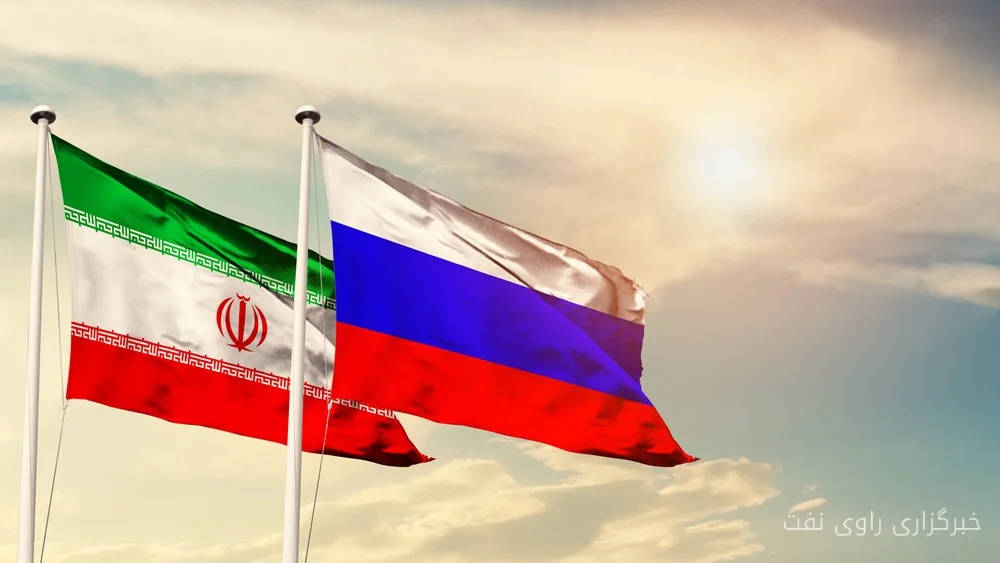
Iran and Russia have expanded their nuclear cooperation with the aim of countering Western sanctions and international isolation. This cooperation includes the construction of nuclear power plants, fuel supply, and technological collaboration. The Bushehr power plant, as Iran's first active nuclear power plant, is at the center of this relationship, and plans for the establishment of new nuclear facilities are currently underway.
Development of the Bushehr Power Plant
The Bushehr power plant, located on the southern coast of Iran, is recognized as a symbol of nuclear cooperation between Iran and Russia. The Russian company "Rosatom" has played a key role in the completion and operation of this power plant. The contract for completing the first reactor of this power plant was signed in 1995, but full electricity generation began in 2013. According to reports, despite escalating military tensions in the Middle East, Rosatom has continued its work at this site. On October 11, the company announced that 135 technical and engineering specialists have returned to work at this location.
Read more: Introduced HarborLab DEX as an AI assistant for DA evaluation teams
New Sirik Power Plant
In September 2025, Iran and Russia signed an agreement to construct a new nuclear power plant named Sirik in Hormozgan province. This project is planned with a cost of over $25 billion and will have a combined capacity of approximately 5 gigawatts. In comparison, the capacity of the Bushehr power plant is less than 3 gigawatts. Upon completion, the Sirik power plant will strengthen Iran's connection with Russian nuclear technology and fuel supply for decades.
Analysts believe that these nuclear collaborations will significantly help Iran achieve nuclear technology and expertise. However, this relationship is somewhat beneficial to Russia, as Iran is in dire need of investment, and Russia is one of the few available sources to meet these needs.
Furthermore, in recent years, Russia and Iran have strengthened their political, economic, and military relations. The two countries are seeking to develop alternative channels for trade and technological cooperation, especially in the form of new trade and investment agreements in strategic sectors.
However, there are also concerns regarding the oversight of Iran's nuclear activities. The International Atomic Energy Agency (IAEA) faces serious challenges in monitoring Iran's nuclear activities and has been unable to verify the status of nuclear materials at some declared sites due to its inability to conduct necessary inspections. These issues have raised concerns about the ability of international bodies to oversee Iran's nuclear activities.
Read more: ClassNK announced a seminar on auxiliary wind propulsion systems · Trump's reverse strategy for Russia's entry and China's exit