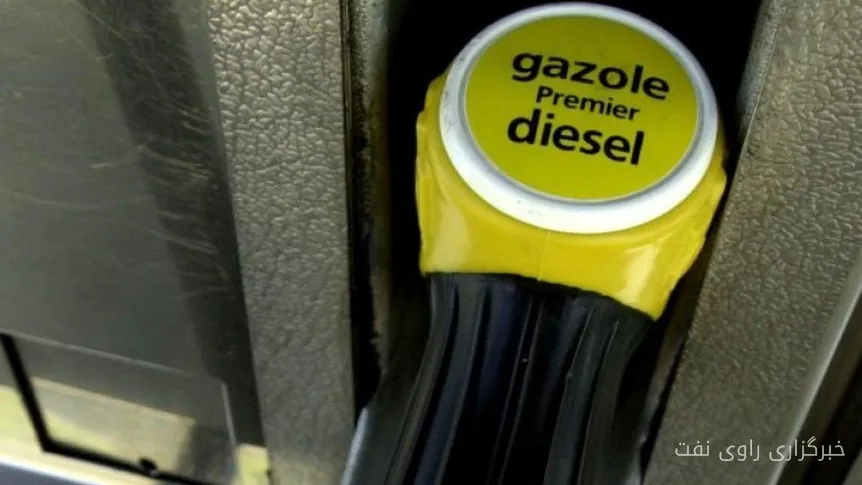
Europe will release 42 million barrels of emergency oil in the next three months, half of which is diesel. This action is taken to reduce fuel prices ahead of winter, and French Economy Minister Roland Lescure announced the news.
Details of the Oil Release
France's share of this release includes 10 million barrels of diesel, which Lescure stated will reach the market in the coming days. The fuel will be provided at cost price, and it is expected that prices will decrease by 12 to 18 cents per liter. Lescure anticipates that these changes will be noticeable soon, within a week at most.
Read more: Baker Hughes Reports Strong Demand for Electricity and Positive Outlook for LNG
G7 Agreement and Market Status
This release is part of the G7 agreement from October to release up to 100 million barrels of crude oil and fuel over a four-month period, which is part of the 400 million barrels of emergency release coordinated by the International Energy Agency. During this period, Europe will release an average of about 460,000 barrels of oil daily, of which 230,000 barrels are diesel.
Diesel consumption in Europe exceeds its refining capacity, and damage to Middle Eastern refineries and export restrictions from Russia have reduced supply from a market currently experiencing unprecedented prices. Diesel futures prices in Europe rose by more than $200 per barrel in September.
Refinery Strategies and Domestic Capacity
European policymakers are also reviewing their refinery strategies, which have primarily involved shutting down refineries over the past two decades. Dan Jørgensen, the European Union Energy Commissioner, has deemed these shutdowns a major mistake and intends to facilitate technical conditions for increasing production at remaining refineries.
This new release comes after months of unusual inventory declines. Industry executives warned in early October that global oil inventories have fallen to a level where any further major disruption in supply could sharply increase prices. While Europe's emergency reserves can quickly supply diesel to the market, domestic refining capacity remains insufficient, leaving the continent dependent on fuel imports.
Read more: Qatar Energy Signs Agreement to Purchase 3 Million Tons of LNG from Woodside · Main Unit of Ras Tanura Refinery in Saudi Arabia Goes Offline