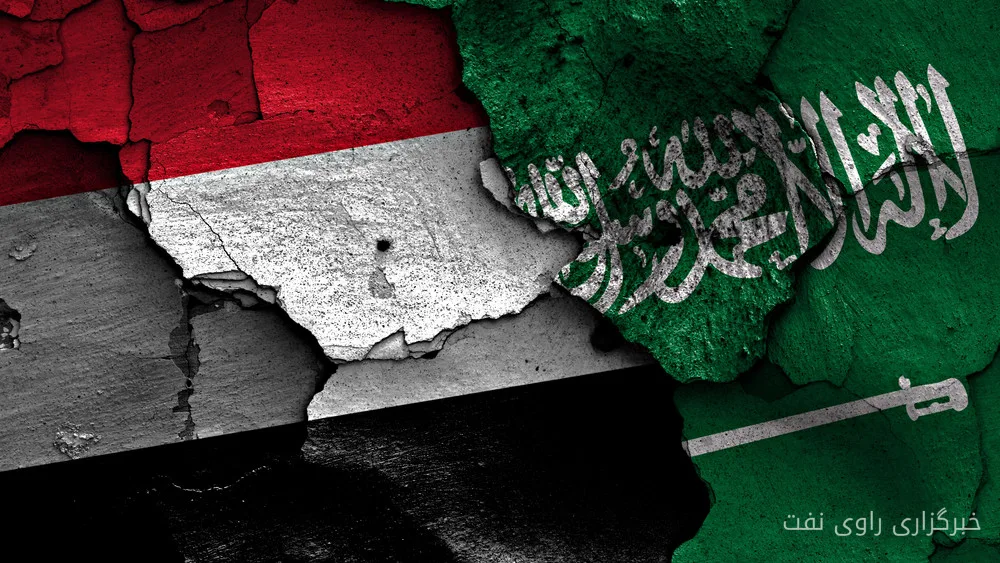
Conflicts in Yemen have sharply increased, and the Houthis have taken control of almost all the Red Sea coasts of the country. This group, which is effectively allied with Iran, controls the Bab-el-Mandeb Strait, which is considered a key point in global trade.
Impact on Energy Facilities in Saudi Arabia
The Houthis have also intensified their attacks on energy facilities in Saudi Arabia, which is recognized as the largest oil exporter in the world. Saudi Arabia was forced to temporarily halt a vital oil pipeline following an attack by drones that the country attributes to an Iranian-backed militia group in Iraq.
Read more: The Role of Oil in Shaping Tomorrow with New Projects in the South Pars Gas Field
This escalation in conflicts has led to an increase in oil prices, with prices reaching $110 per barrel on September 15, the highest price in recent months. Experts warn that if the closure of Saudi Arabia's East-West pipeline continues or if the Houthis attempt to block the Bab-el-Mandeb Strait, which supplies nearly 6% of the world's seaborne oil, global markets may face serious shocks.
Economic Consequences and International Reactions
Prior to this escalation in conflicts, the energy market was affected by the Iran-U.S. war in the Gulf, which effectively blocked the Strait of Hormuz, the most important waterway for oil and gas in the world. Although the main conflicts in the Yemen war, which began last February, have ceased, Tehran and Washington continue to exchange sporadic attacks.
Gregory Brew, an oil expert and senior analyst at the Eurasia Group, stated that these two conflicts have put pressure on international oil markets and global oil supply. Additionally, the American investment bank Goldman Sachs has warned that if the conflicts in Iran and Yemen continue, global oil prices may reach $120 per barrel.
The conflicts in Yemen are particularly a significant setback for Saudi Arabia, which has intervened since 2015 to support the Yemeni government. With the increase in attacks by the Houthis and other armed groups in the region, Saudi Arabia is facing new challenges. Damage to the East-West pipeline has also limited the country's ability to export oil and has put additional pressure on global supply.
If this pipeline remains unusable for a month, the world will lose about 120 million barrels of oil. Currently, the situation is such that catastrophic scenarios for Saudi Arabia are beginning to take shape.
Read more: Aramco Ready to Resume Oil Exports from the Red Sea Port of Yanbu · Serious Warning in the Strait of Hormuz with the Capture of the Perm Island by the Houthis