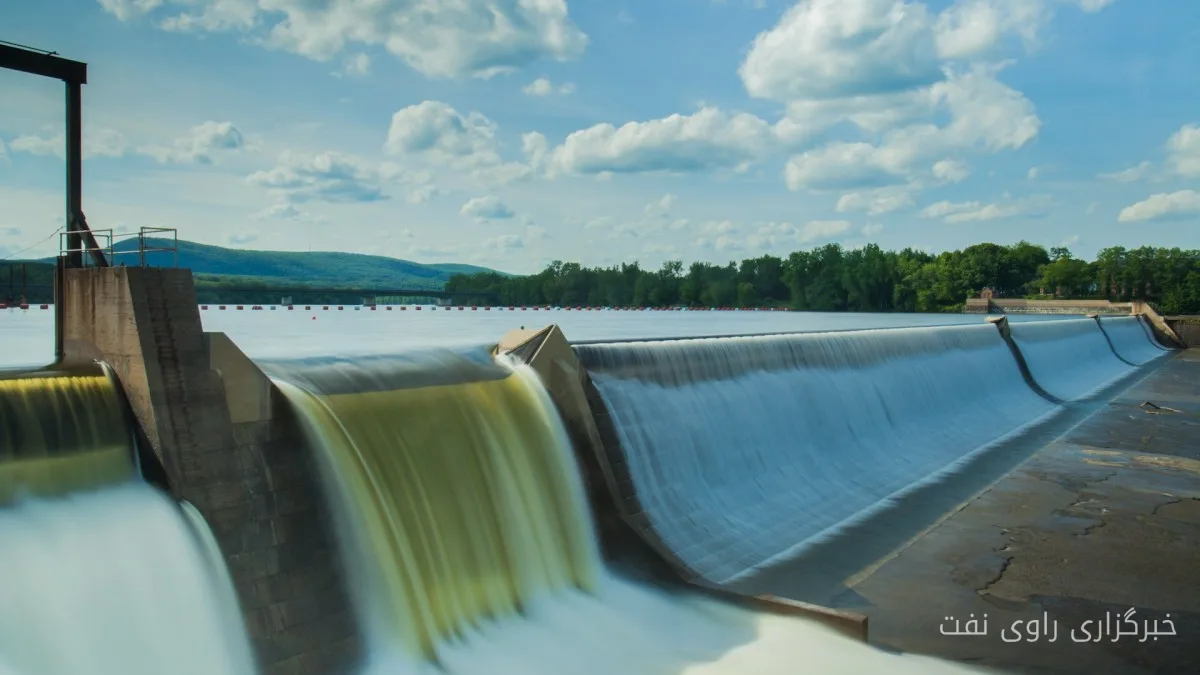
Despite its historic and massive dams, the United States has yet to fully tap into its clean energy potential. According to a new study, existing dams in the country could generate 15.2 terawatt hours of electricity annually with upgrades and retrofitting. This amount of electricity is enough to power over 1.4 million homes nationwide.
Untapped Potential of Dams
A study conducted by the Oak Ridge National Laboratory and the Idaho National Laboratory shows that by selectively optimizing dams that are currently not equipped for hydroelectric power generation, a clean and efficient energy source can be achieved. This approach not only reduces energy production costs but also helps protect the environment.
The development of new software called HydroGenerate allows researchers to accurately model and assess the energy production potential of dams. This software can serve as a key tool in identifying dams that have the potential to become hydroelectric power producers.
Economic and Environmental Benefits
Given the increasing demand for renewable energy and the need to reduce dependence on fossil fuels, investing in these projects could significantly improve the energy landscape in the United States. Furthermore, generating energy from dams as a sustainable and clean source will help reduce pollution and protect natural resources.
As climate change and the global energy crisis have become serious challenges, these findings could provide a beacon of hope for a more sustainable and greener future. By harnessing these untapped potentials, the United States can take steps towards energy transformation and reducing environmental impacts.