Elena Buskova-Kwacz, founder and CEO of Blueprint Energy Solutions based in Vienna, has emphasized the challenges of rapidly digitalizing power networks in Europe, stating that regulatory processes and policymaking are significantly lagging behind technological development. She remarked, "The mismatch in speed is the main problem, not a lack of technology to achieve digital solutions that are fast enough."
Challenges of Digitalization and Energy Security
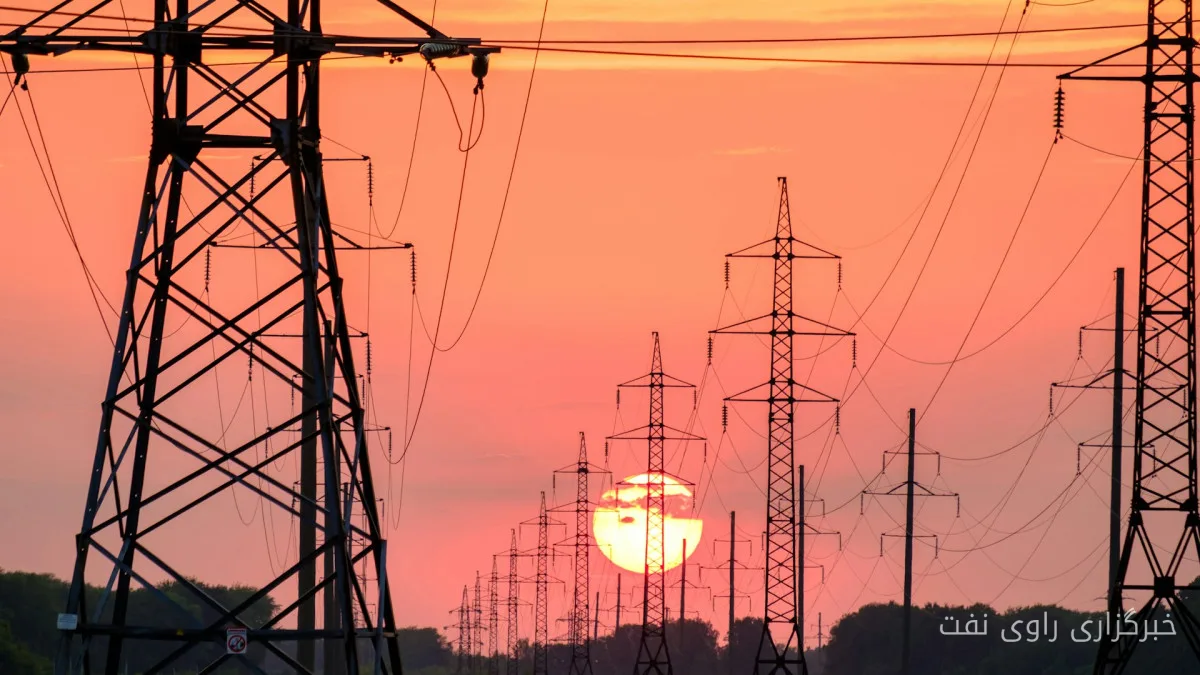
In recent reports, including one published in Enlit, Buskova-Kwacz pointed out that "renewable technologies and electric vehicles are rapidly connecting to low-voltage distribution networks, while planning and regulatory processes to manage these transformations are not effectively designed." This has led to serious concerns for system operators, including lack of visibility at the network edge, limited hosting capacity, and potential risks of power outages.
Read more: DP World expands its contractual logistics network in Thailand
The Impact of International Crises on Europe's Energy
Energy crises in Europe, especially following Russia's invasion of Ukraine in February 2022, have complicated the situation. At that time, Europe was dependent on 40 percent of its natural gas from Russia, which led to price increases and instability in the energy market. The continent has never fully recovered from this shock and is now facing new challenges, including regional conflicts and climate crises.
Buskova-Kwacz states, "We need to learn and make changes, but in reality, we are facing similar crises." She emphasizes that while Europe has made progress in developing renewable energy supply chains, the key question is whether the digitalization and electrification of the grid have been carried out quickly enough and whether this has created energy security gaps.
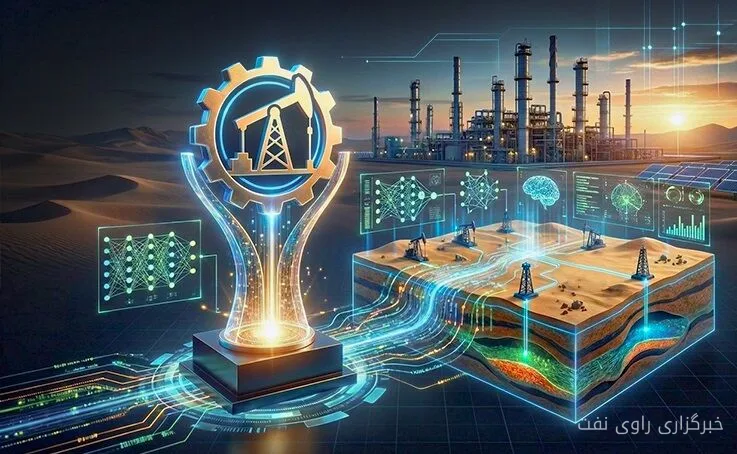
In 2025, a major grid failure in Spain and Portugal highlighted the risks associated with these developments. Buskova-Kwacz also stresses the importance of artificial intelligence (AI) in identifying and predicting network vulnerabilities, saying, "AI models can identify patterns in these complexities and aid in decision-making." This could help optimize the existing network capacity and reduce the need for unnecessary investments.
Buskova-Kwacz also called for the regulation and encouragement of AI use in the European Union's energy strategy and emphasized the need to strengthen cybersecurity measures and update infrastructure to facilitate the integration of new technologies. She states, "Transformation and digitalization in this sector are currently underway and cannot be halted by responsible regulations; now it is the responsibility of the European Commission to keep pace with these developments."
Read more: Development of ships equipped with small reactors in South Korea · European Investment Bank provides 100 million euros for the development of Klaipeda port