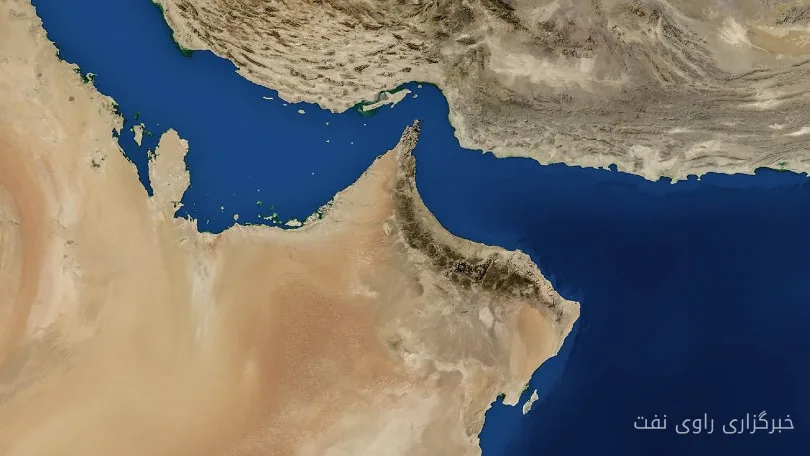
The Dubai Benchmark chart has entered a state of contango for the first time since early July due to increased oil flows from the Middle East and decreased demand. In this situation, the prices of future oil contracts are higher than spot prices, indicating an oversupply of oil in the region.
Increase in Oil Supply from the Middle East
The increase in oil flows from the Middle East has gradually risen over the past two months. Gulf producers have accelerated oil transfers through the Strait of Hormuz and utilized ship-to-ship (STS) transfer methods in the Gulf of Oman, resulting in millions of barrels of oil being sent from this region to other countries. These changes have occurred especially after a three-week ceasefire between the United States and Iran in early July, which led to the release of millions of barrels of oil.
Read more: Petrofan 1405: The Link Between Knowledge-Based Companies and the Petrochemical Industry
Discount on Dubai Oil Contracts
According to industry sources, the Dubai oil contract was traded at a discount of about $2 per barrel compared to the December contract at the beginning of this week. This pricing is the first indication of a contango situation, reflecting an abundance of oil supply in the Middle East. In fact, this situation shows that concerns about oil supply shortages are diminishing.
Dubai and Murban oil rates have weakened in recent weeks due to increased supply from the Middle East, leading to increased purchases from Asian refineries, particularly in India. Indian refineries have shown a preference for purchasing additional cargoes from the Middle East due to higher transportation costs for Russian oil.
At the end of last month, physical crude oil prices in the Middle East decreased due to increased flows from this region, reaching pre-war levels. While oil flows from the Gulf are consistently moving toward pre-war levels, physical oil prices in the Middle East have decreased compared to international future prices.
Two weeks ago, the increase in oil flows from the Middle East put significant pressure on the primary physical supply benchmarks in the region. Additionally, the premium of Oman oil over Dubai oil, which is recognized as a benchmark for market strength in the Middle East, reached its lowest level since the end of July.
Read more: Government Resolution for Organizing the Urea Fertilizer Market and Settling Petrochemical Claims · Kazakhstan's Oil Transit via the Atyrau-Samara Pipeline Resumed