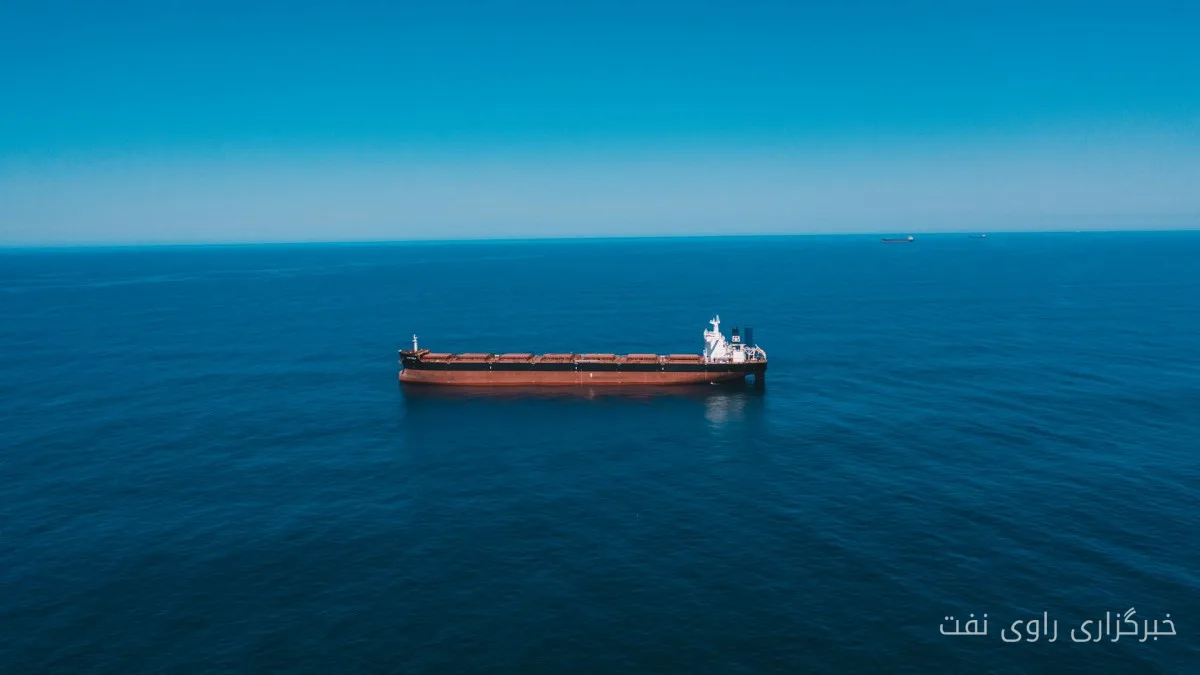
Tanker traffic in the Strait of Hormuz has reached its lowest level, with only four vessels moving in or out of the strait. This situation comes as transportation options for oil from the Middle East have significantly decreased due to the shutdown of the Saudi pipeline to the port of Yanbu.
Decrease in Traffic in the Strait of Hormuz
According to preliminary data, on Thursday, three vessels entered the Persian Gulf, and one vessel exited the Strait of Hormuz. This number has clearly decreased and shows a significant reduction compared to the 10-day average, which included 16 vessels per day. This information has been obtained from Kpler tracking services.
Read more: Futures prices for natural gas return above $2.90 after initial decline
Factors Affecting Tanker Traffic
Energy owners and exporters are moving more cautiously through the Strait of Hormuz due to increased tensions this month, including attacks on tankers and threats from Iranian-aligned Houthis in the Red Sea. Additionally, the temporary shutdown of the East-West land pipeline in Saudi Arabia has added to traffic problems. Tanker traffic in the Strait of Hormuz has returned to about half to two-thirds of pre-war levels, but it is still below those levels.
Furthermore, threats in the Bab al-Mandab Strait have also intensified, as the Houthis have moved to control key islands in the area. However, traffic outside the Strait of Hormuz has increased, as Saudi Arabia has taken steps to sell millions of barrels of crude oil to the spot market. This oil is being loaded from outside the Strait of Hormuz from Oman.
Saudi Arabia has been forced to rely more on transportation through the Strait of Hormuz, as the shutdown of the main land pipeline does not allow them to bypass the strait. The country is selling cargoes for loading this month and next to other vessels outside the Strait of Hormuz.
Read more: Sufficient crude oil supply for Japanese refiners until the end of November · Increase in physical oil cargo prices to over $130