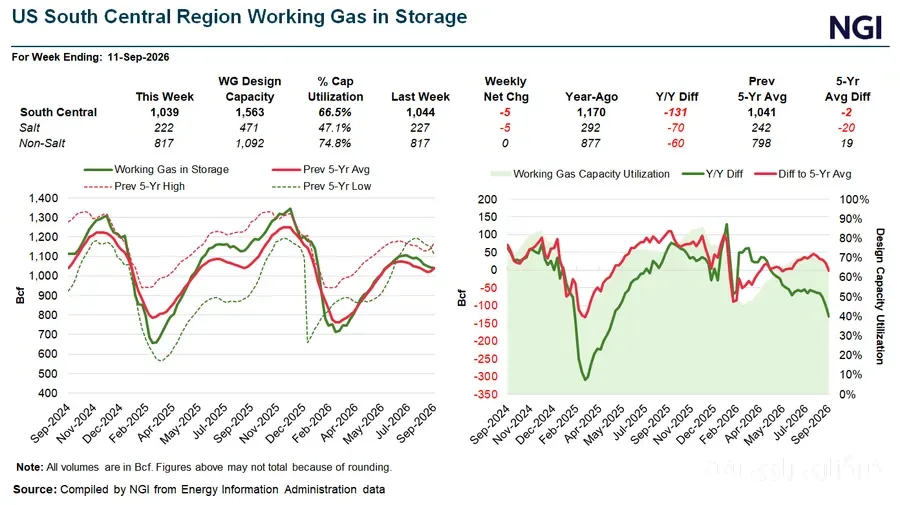
Natural gas reserves in the central south region of the United States, which includes the state of Texas and neighboring states like Louisiana and Arkansas, are experiencing a significant decline compared to their five-year average. This decrease in storage could have significant implications for the natural gas market and prices in the future.
Details of the Decrease in Reserves
Recent reports indicate that natural gas reserves in this region are significantly below the expected level for September 2025. Specifically, natural gas reserves have faced a double-digit annual decline, which is concerning. For example, current reserves have reached 3.5 trillion cubic feet, which is 15 percent lower than the five-year average.
Read more: IEF report emphasizes the importance of LNG market security in global trade
Economic and Industrial Implications
The decrease in natural gas reserves could have significant impacts on the energy industry in the United States. This could lead to increased natural gas prices and also affect investment decisions in the energy sector. Given the rising demand for natural gas during the colder seasons, this decrease in reserves could lead to greater concerns about energy supply.
Furthermore, this situation is expected to pressure gas-producing companies to respond to shortages by increasing their production. This may lead to higher costs and more complexities in the energy supply chain.
Read more: Disruptions in the North Qatar gas field and South Pars of Iran threaten the supply of liquefied gas · Major LNG transport companies have begun testing continuous CO2 emissions measurement technology