Disruptions caused by strikes in the North Qatar gas field and the South Pars field in Iran have impacted operations at the world's largest gas source. These disruptions have affected Qatar's gas processing capacity by 4.5 billion cubic feet per day (Bcfd), and repairs may take up to a year.
Details of the Gas Fields
The North Qatar and South Pars fields in Iran form an extraordinarily large gas structure covering an area of 9,000 square kilometers. It is estimated that these fields contain over 2,200 trillion cubic feet (Tcf) of remaining gas resources, which accounts for about 25 percent of the world's total gas resources and provides nearly 10 percent of global gas production.
Read more: Need for Transparency in the National Oil Company's Security Room
Impact of Disruptions on Export Capacity
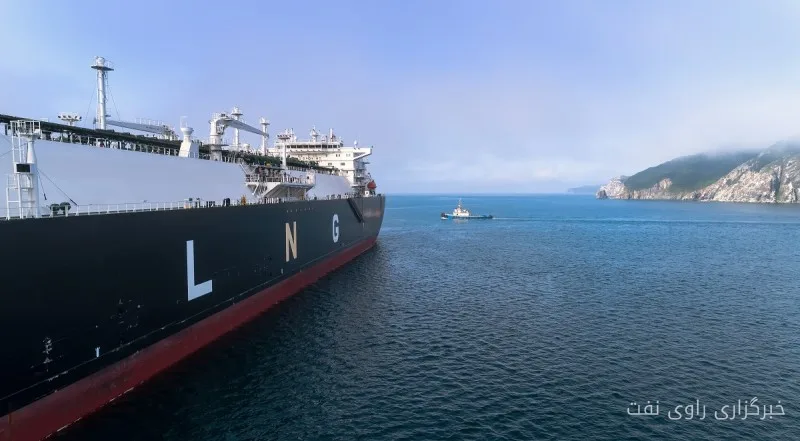
In Qatar, strikes at the Pearl gas-to-liquids (GTL) complex in March and an explosion at the Barzan gas plant in June have impacted 4.5 Bcfd of processing capacity. These disruptions include two liquefied natural gas (LNG) lines with a total capacity of 12.7 million tons per year (MMtpa), which is equivalent to about 17 percent of Qatar's LNG export capacity.
Repair costs for the Qatari facilities are estimated to be around $5.8 billion, with reconstruction timelines varying between four to twelve months. Disruptions at the Pearl GTL complex alone put about 10 percent of Shell's upstream cash flow at risk.
Developments in the South Pars Field
Iran has also experienced disruptions in the South Pars field. Strikes at the Asalouyeh processing center, which manages about 30 percent of South Pars production, and facilities in Phase 13 in Kangan have affected output across several development phases.
These disruptions occur while Qatar is progressing towards developing the northern phases of the North Field, which is expected to add a total of 48 MMtpa of LNG capacity and increase gas production at plateau levels to 28 Bcfd by 2033. Additionally, Qatar is estimated to have 54 MMtpa of uncontracted LNG volumes by 2035.
The pace of infrastructure repairs could impact long-term LNG contract decisions as buyers reassess supply security. Qatar exported over 80 million tons of LNG in 2025.
In addition to LNG, production from the North Field supports Qatar's methane refining industries, NGL, methanol, ammonia, and GTL, and supplies nearly one-third of the world's helium supply.
Read more: 1.7 Percent Increase in Seaborne Coal Loading in 2026 · U.S. Congress Sends Comprehensive Sanctions Bill Against Russia and Iran to Trump