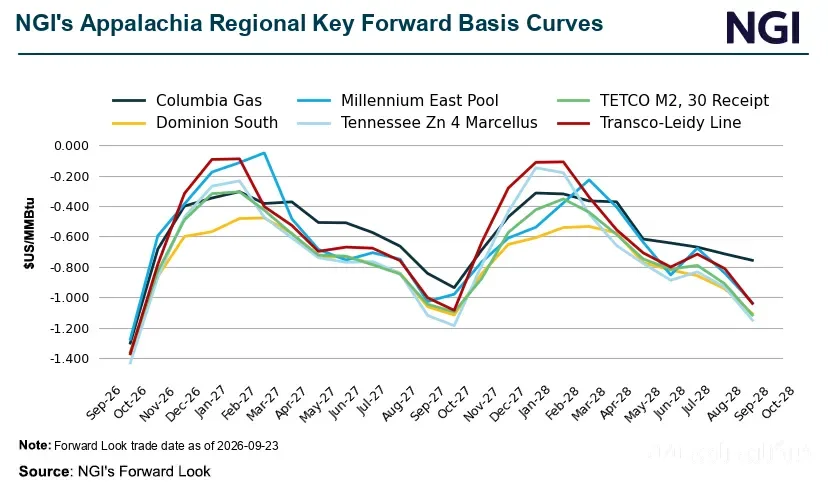
Futures prices for natural gas in the eastern United States are clearly changing. While gas supply hubs in the Appalachian region are facing price declines, Southeast markets are experiencing stronger premiums due to their constraints. These changes indicate a significant gap in the trends of the natural gas market.
Natural Gas Market Status in Appalachia
In the Appalachian region, natural gas prices have sharply decreased. This price drop is linked to several factors, including increased production and reduced demand in the area. Given that Appalachia is recognized as one of the largest natural gas producers in the United States, any changes in prices can have significant impacts on the local economy as well as national markets.
Read more: Reduction of India's Transit Time to Savannah with Return to Suez Route
Power of Southeast Markets
In contrast to the situation in Appalachia, natural gas markets in the Southeast United States are experiencing higher premiums due to infrastructure constraints and high demand. These markets have managed to maintain their prices at higher levels due to supply shortages and increased demand. For example, while the price of natural gas in Appalachia has dropped to $2.50 per million BTUs, in Southeast markets this price has reached $3.50.
This price gap reflects ongoing challenges in the supply and distribution of natural gas in the United States. The impacts of these changes can in turn affect various industries, including electricity generation and residential heating. For instance, rising prices in the Southeast could increase electricity production costs, subsequently affecting consumer prices.
Future of the Natural Gas Market
While predicting the future of the natural gas market is difficult, analysts believe that this price gap may widen due to seasonal changes and future demand needs. As the cold season approaches, demand for natural gas naturally increases, which could in turn affect prices.
Ultimately, these changes in prices and markets necessitate careful monitoring and resource management strategies in the energy industry. For consumers and producers, understanding these price differences and the factors influencing them is crucial to navigate this volatile market effectively.
Read more: 4% Increase in Gas Prices in Europe Due to Hormuz Tensions · Increase in Natural Gas Prices in Europe Amid Escalating Tensions in the Middle East



