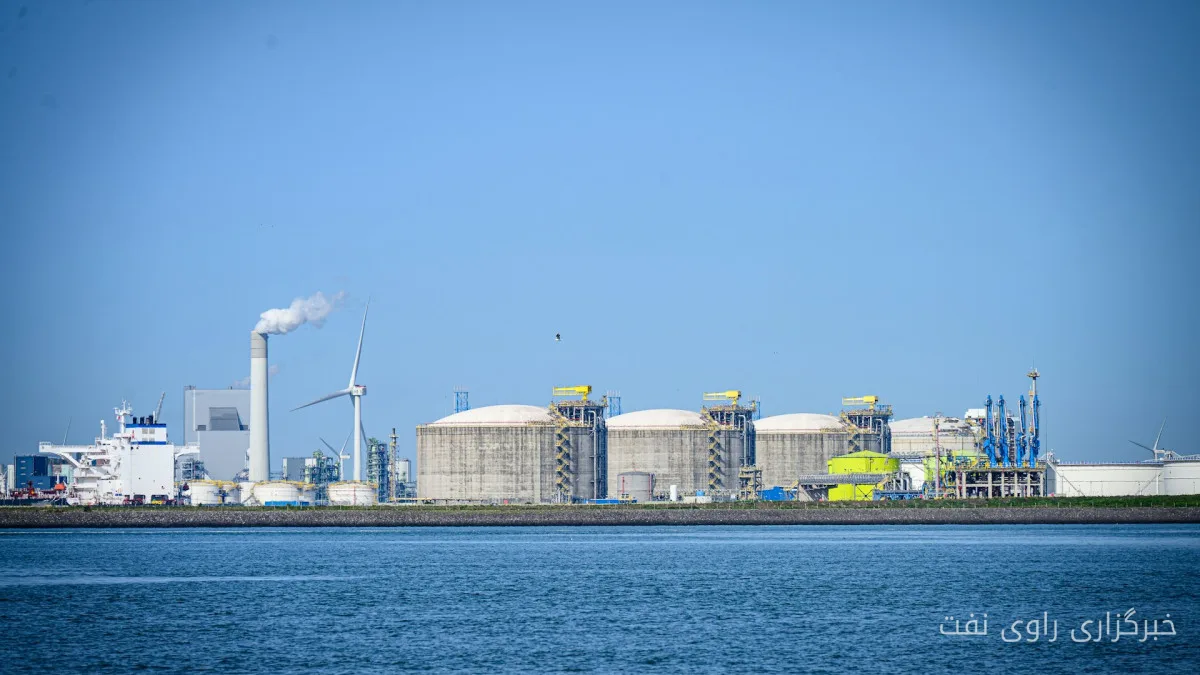
Natural gas prices in Europe rose by 4% to €84.30 per megawatt-hour (MWh) at the start of trading on Thursday in Amsterdam. This increase is attributed to the ongoing tensions between the United States and Iran regarding the war and the status of LNG shipments in the Strait of Hormuz.
Overview of Prices and Supply Situation
After the initial rise, prices at the Title Transfer Facility (TTF) in the Netherlands, which serves as a benchmark for gas pricing in Europe, slightly decreased but remained 3% higher than the previous day by midday. Prices peaked earlier this month at €93.82 per MWh, the highest level since January 2023. At that time, Europe experienced its first winter without additional gas supplies from Russian pipelines.
Read more: Increase in Iron Ore Prices in China Due to Supply Concerns
Despite the recent drop in prices, ongoing tensions in the Strait of Hormuz and concerns over LNG supply shortages from the Middle East have again driven prices up in Europe. Currently, Europe faces the challenge of filling its gas reserves to prepare for the winter season, putting additional pressure on prices.
Status of Negotiations and Its Impact on the Market
The United States and Iran continued indirect talks and communications on the sidelines of the United Nations General Assembly in New York, but no progress has been made. In recent weeks, some Qatari and Emirati shipments have successfully passed through the Strait of Hormuz, but this amount is not sufficient to significantly impact the global LNG balance.
In the past six months, reduced LNG flows from the Middle East have caused gas prices in Asia and Europe to rise to their highest levels since the 2022-2023 energy crisis. Buyers are competing for available supplies that do not need to pass through the Strait of Hormuz. Recently, Fitch Ratings has raised its forecasts for TTF gas prices for this year and next due to tensions with Iran.
According to Fitch, "The increase in TTF gas price forecasts is due to disruptions in LNG flows through Hormuz, which previously accounted for 20% of global LNG supply." Additionally, Europe's gas reserves are currently only two-thirds full, which is sufficient to prevent disruptions in gas supply during winter but significantly lower than the 80% to 90% levels seen at this time in 2022 to 2025.
Read more: Production Growth in the Euro Area Remained Steady in September 2026 · Leeds Register Introduced 200,000m³ LNG Ships as an Acceptable Option for Renewing the Global Fleet



