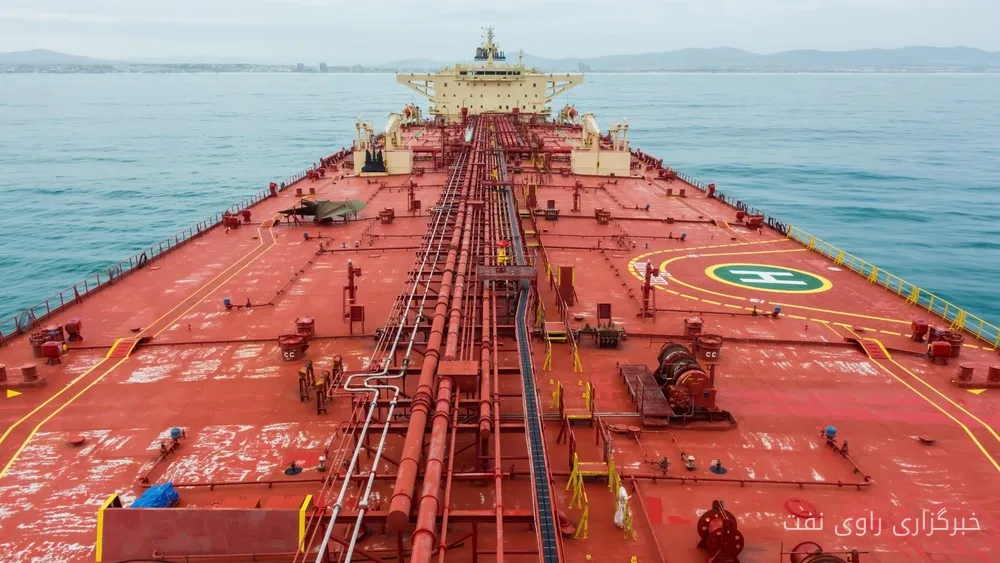
The price of WTI crude oil reached $96.35 per barrel in Friday's trading, reflecting a $0.49 increase or a 0.51% rise compared to last week. The price of this contract peaked at $101.69 during the week and fell to a low of $94.64. These price fluctuations are attributed to Saudi Arabia's infrastructure issues and new export strategies implemented due to these problems.
Saudi Infrastructure Issues and Their Impact on Oil Prices
Drone attacks on three pumping stations in Saudi Arabia's East-West pipeline, which is the main route for transporting oil to Yanbu and around the Strait of Hormuz, have disrupted the country's oil exports. This pipeline typically transported 4 to 5 million barrels of crude oil per day, but with its halt, Saudi exports have been severely affected and have become reliant on waterways that are also significantly disrupted.
Read more: Equinor Seeks to Supply 10 to 15 Million Tons of LNG by Early 2030
This situation caused the price of WTI to reach $101.69, as the market reacted to the decrease in Saudi export volumes due to the loss of the main Hormuz route. Repair estimates suggest that this pipeline may return to a semi-active state within a few days, but in the worst-case scenario, repairs could take five to six weeks.
New Export Methods and Reduced Premium Rates
To mitigate the effects of these issues, Saudi Arabia has begun increasing exports through ship-to-ship transfers near Sohar, Oman. This route allows Asian refineries to receive oil while the pipeline is out of service. However, this method is slower and more complex and cannot replace the normal oil flows from Yanbu.
These changes have led to a reduction in spot premiums in the crude oil market, and prices have returned to lower levels after a concerning drop in Saudi exports. Saudi Energy Minister Chris Wright has stated that oil flows may resume within a few days, but until these flows return to normal, the market situation will remain unstable.
Traffic in the Strait of Hormuz and Its Impact on the Market
Visible traffic in the Strait of Hormuz has significantly decreased. The number of passing ships on Tuesday dropped to four, later revised to 12, while only three ships passed on Wednesday. Before the conflict, this waterway averaged about 125 ship movements per day. Macquarie estimates that crude oil, condensates, and petroleum products flowing through Hormuz have exceeded 7.5 million barrels per day since August 30.
Despite the decrease in ship traffic, some cargoes are still in transit. This situation continues to maintain a risk premium in the market. However, a real decrease in flows could lead to a quick return of buyers to the market.
In another part of the market, diesel continues to not follow the decline in crude oil prices, with diesel prices in Europe reaching their highest level. This indicates that the supply of distillate fuels remains limited, leading refineries to continue producing diesel instead of gasoline.
Read more: Increase in LNG Traffic in the Strait of Hormuz · India Responds to New US Oil Sanctions on Russia