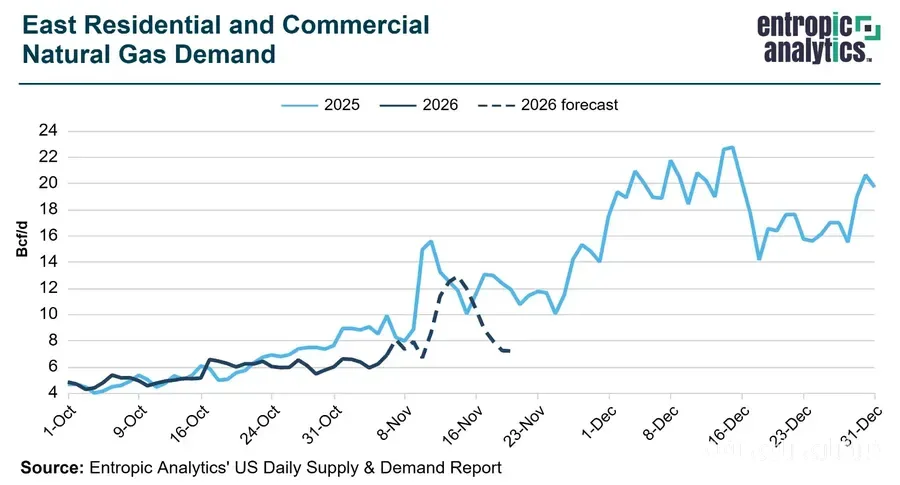
The Appalachian field, with a high natural gas production capacity, has faced serious pricing challenges in recent years. While natural gas prices in the Permian field temporarily dropped below zero, similar pressures have now shifted to the Appalachian region. These developments indicate structural problems in the natural gas supply chain in this area.
Pricing and Structural Challenges
Natural gas prices in the Appalachian field are currently influenced by several issues. These problems include a lack of necessary infrastructure for transportation, demand fluctuations, and insufficient investment in development projects. In particular, gas transportation infrastructure has not been designed to effectively keep pace with increased production, which has led to an inability to respond to market demand.
Read more: Indonesia's thermal coal production declines to 720 million tons by 2026
Economic Consequences
The lack of infrastructure and pricing challenges in the Appalachian field affect not only small producers but also large companies. This situation could lead to reduced investment in the natural gas sector and, consequently, limit future production capacity. Companies are seeking solutions to improve market conditions, but these efforts are progressing slowly in the face of existing challenges.
To improve the natural gas market situation in the Appalachian field, there is a need for investment in infrastructure and increased production efficiency. Additionally, paying attention to customer demand and improving market conditions could help enhance prices. Currently, the natural gas market in this region faces multiple challenges that will make improvement difficult without addressing them.
Read more: BIMCO's tanker safety network analysis on preventing fires in the engine room · Ministry of Oil increases gas production in the South Pars field