Crude oil prices experienced a downward trend on Wednesday, September 15, following an unexpected and significant increase in U.S. crude oil inventories. Despite disruptions in Middle Eastern supply, Brent crude oil prices reached $108.02 per barrel, indicating a decrease of 73 cents or 0.67%.
Increase in Oil Prices in Recent Days
On Tuesday, September 13, crude oil prices rose by more than 3% due to concerns about supply and the halt of loading from the Yanbu port in Saudi Arabia, reaching the highest level since May 29. The price of the West Texas Intermediate (WTI) crude oil also decreased by $1.01 to $104.73 per barrel.
Read more: Mansour Shakerlohi deemed the development of Iran's refining capacity necessary
Unexpected Growth in U.S. Inventories
Data from the American Petroleum Institute shows that crude oil, gasoline, and distillate inventories increased by 7.1 million barrels in the week ending September 20, while a decrease of about 1.6 million barrels was expected. Hightong Futures stated that this unexpected increase has significantly impacted prices, but there is still a supply shortage in the global crude oil market.
Priyanka Sachdeva, head of market outlook at Flip Nova, reported that despite the increase in inventories, prices continue to show resistance. Traders are primarily focused on disruptions in physical oil supply.
Disruptions in Middle Eastern Supply
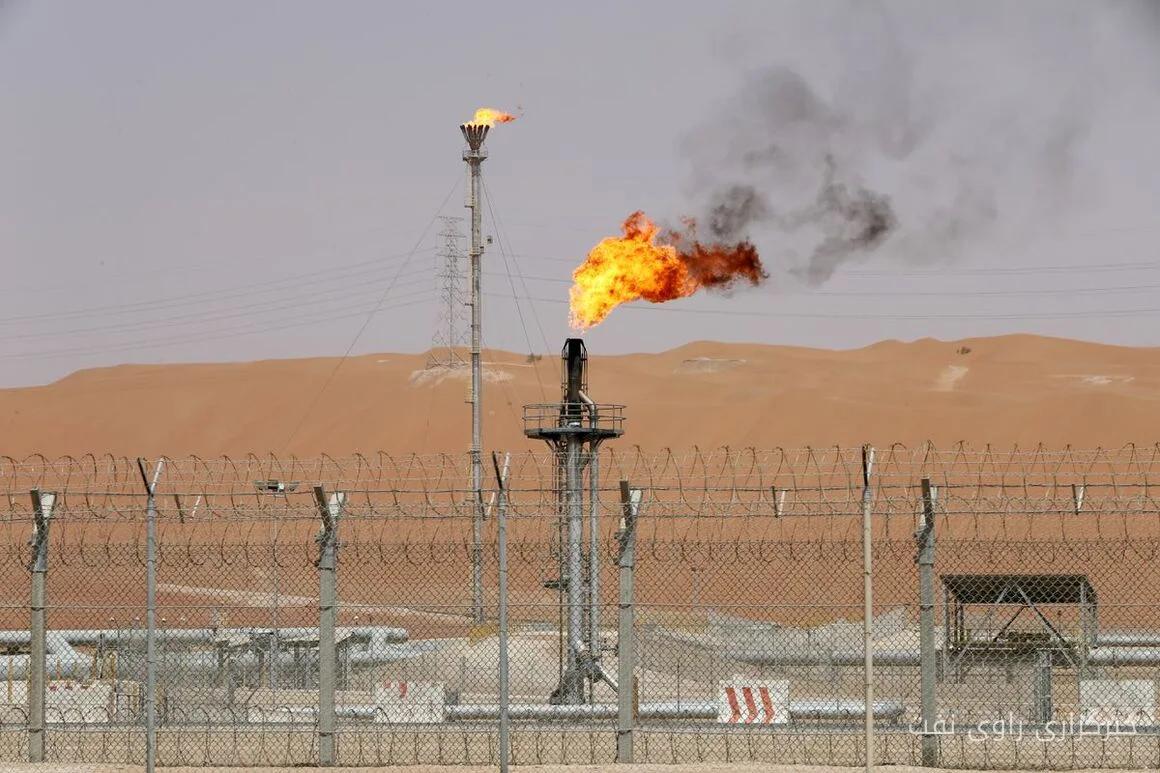
The main concern currently is the disruption in the East-West pipeline in Saudi Arabia and the export infrastructure at the Yanbu port. Following attacks on the country’s energy facilities, oil loading operations have been halted, and the flow of crude oil and petroleum products has decreased due to these disruptions. As a result, diesel prices in Europe have risen to unprecedented levels.
Saudi Arabia, as the world's largest crude oil exporter, is exploring opportunities to load crude oil to Asian refineries through ship-to-ship transfers near the Port of Sohar in Oman. Additionally, shipping traffic from the Strait of Hormuz has been severely disrupted due to recent tensions.
Read more: Opening a $40 price gap between types of oil with risks in Hormuz · OPEC's power decline with the threat of Iraq and the United Arab Emirates' exit