At the end of June, following an agreement between the United States and Iran to halt hostilities in the Persian Gulf for 60 days, oil prices fell. Two months later, the price of Brent oil reached over $107 per barrel, and WTI also approached $103. These developments indicate a deep price gap between oil stuck in the Persian Gulf and oil that can be transported without the threat of drone or missile attacks.
Impact of War and Sanctions on Iraq's Oil Industry
Iraq, as the second-largest OPEC producer, is facing severe disruptions in its oil industry due to the war between the United States and Israel and Iran. The country was forced to shut down its oil wells earlier this year and has offered heavy discounts on its oil prices to attract buyers. For example, Iraqi Basra Medium oil for loading next month is being offered at a discount of $43.06 per barrel compared to the regional benchmark Murban.
Read more: U.S. Steel receives final approval to establish $475 million oil and gas facilities
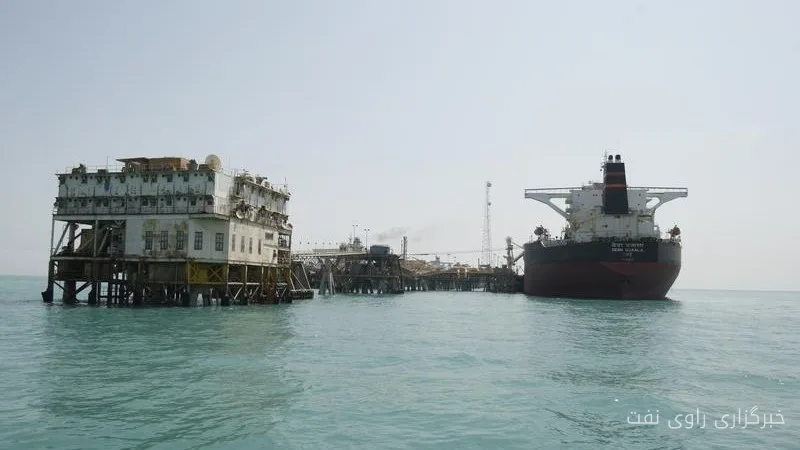
While the price of Murban, the main ADNOC blend, is trading above $127 per barrel, the price gap between oil passing through the Strait of Hormuz and oil that is free from risks is clearly evident. Murban oil is loaded at the port of Fujairah, whereas most Iraqi oil shipments are loaded within the Persian Gulf.
Vessel Movements and Oil Demand
Data related to vessel tracking shows that tanker movements through the Strait of Hormuz have significantly decreased, especially following recent attacks. For instance, Windward reported only one outbound tanker on September 14. However, after passing through Hormuz, the price situation changes. Once the danger is cleared, prices rise as demand for physical oil outweighs any concerns about safety and insurance.
This indicates the resilience of demand for oil, even with higher prices compared to the beginning of the year. Demand has not yet reached a breaking point, and these discounts are likely part of the reasons for that.
Meanwhile, oil produced outside the Persian Gulf is also benefiting from higher prices. For example, the Australian Pyrenees blend was traded at $138.04 per barrel recently, a significant increase compared to $70.59 on February 27, prior to the start of U.S. and Israeli attacks on Iran. This blend is recognized as the most expensive oil blend.
Russian oil is also experiencing prices higher than Brent despite sanctions. Earlier this month, the ESPO blend loaded in the Russian Far East was traded at over $10 per barrel above Brent oil.
As oil exporters in the Persian Gulf face challenges in shipping their oil from Hormuz, Saudi Arabia is repairing its vital east-west pipeline, and conflicts continue to escalate. This war is not only far from ending but is intensifying. The price gap between oil passing through Hormuz and other oils may deepen.
Read more: Tanker shipping rates reach their highest level due to increased Hormuz risks · Damage to Saudi Arabia's east-west oil pipeline after drone attack