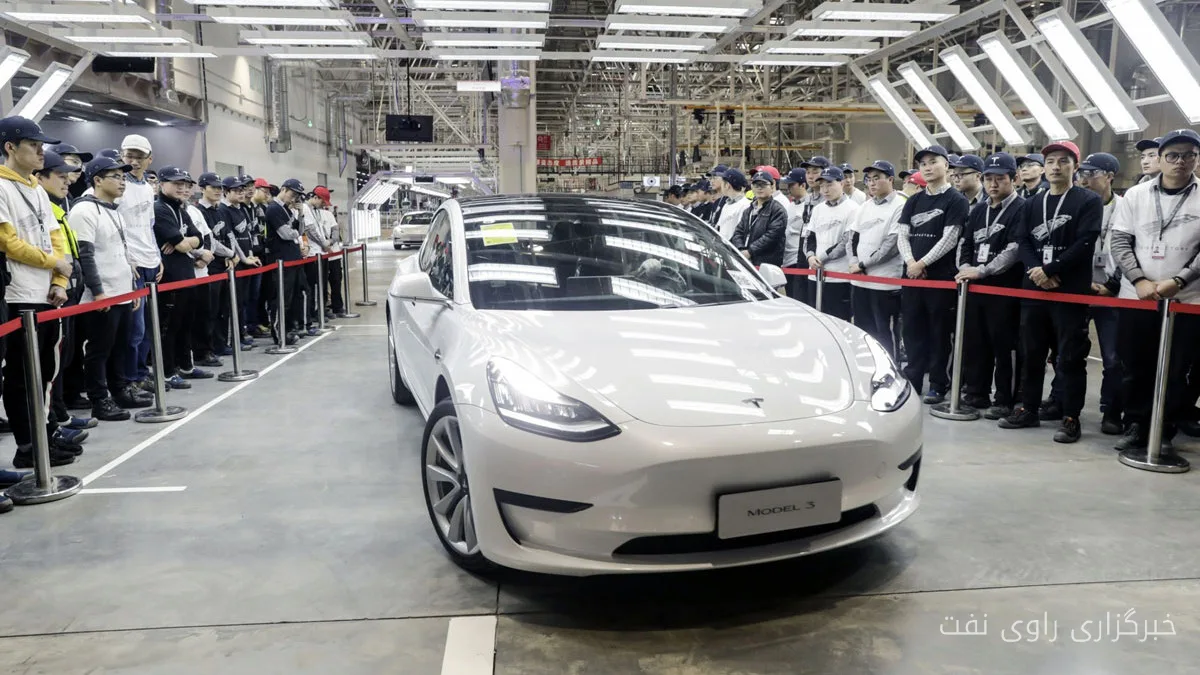
Statistics released by the China Passenger Car Association indicate that the peak buying season for cars in China is facing a severe decline in demand. Passenger car sales in September 2023 reached 1.62 million units, a 28 percent decrease compared to last year. This decline marks the twelfth consecutive month of falling sales compared to the previous year, although sales increased by 5 percent compared to August.
Growth in Electric Vehicle Sales
According to the report, electric and hybrid vehicles accounted for 67 percent of passenger car sales last month. However, sales of these types of vehicles also decreased by 17 percent compared to last year, reaching 1.08 million units. This statistic indicates the extent of the recession in the domestic market. The report states: "Overall sales volume is under significant pressure compared to last year and has experienced limited monthly recovery." This situation has particularly intensified for fuel vehicles and highlights the dominance of new energy vehicles as the main theme of the market.
Increase in Exports and Future Challenges
Chinese car exports to global markets have acted as a lifeline for domestic manufacturers. Exports of passenger cars, including assembly kits, have increased by 73.7 percent to 917,000 units, accounting for 36 percent of manufacturers' sales, up from 19 percent last year. Some manufacturers now derive more than half of their sales from exports, with many approaching 70 percent.
However, the sustainability of export demand has faced questions, particularly given expectations that Europe will limit imports of Chinese hybrid vehicles to 350,000 units per year. These vehicles remain banned in the U.S. Additionally, rising prices for memory and chips due to high demand for artificial intelligence and supply shortages have led to slower sales growth for new energy vehicles.
In this context, industry inventory has generally remained low, and high oil prices have had a significant impact on fuel vehicles. Dealers are also acting more cautiously in purchasing new vehicles, with most believing that the impact of the peak season of "Golden September and Silver October" has significantly weakened compared to previous years. This has led to survival pressure and a lack of confidence among dealers.
However, this recession in the car market is viewed as a temporary phenomenon resulting from short-term political disruptions and high sales bases, and does not imply that the fundamentals of car ownership have peaked.
Read more: Masoud Pezeshkian emphasized the necessity of public cooperation and participation to overcome energy imbalance · Future rebar prices in China rise with falling coke prices



