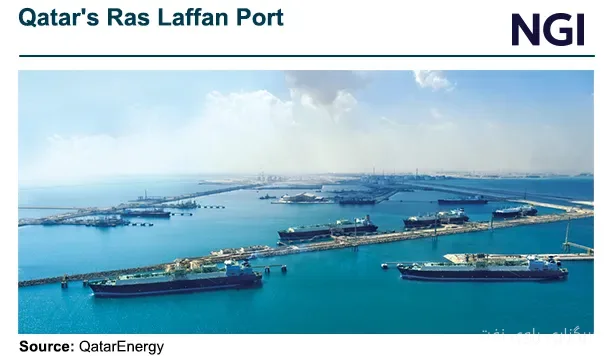
Natural gas buyers have revisited their supply strategies due to the emergence of a second energy crisis in the last four years. This crisis has once again affected global markets, leading to significant changes in energy purchasing and supply methods.
Energy Crisis and Its Impact on the Middle East
The recent crisis in the Middle East is recognized as a major shock to natural gas supply. This crisis, caused by various factors including political and economic fluctuations in gas-producing countries, has prompted buyers to seek new solutions to meet their needs. For instance, gas production in key fields such as the South Pars gas field in Iran and the natural gas field in Libya has been affected by this crisis, necessitating a reevaluation of plans for buyers.
Read more: Achievements of the Pearl Petrochemical Security Manager's Trip to China
Changes in Supply Strategy
In light of the recent crisis, natural gas buyers have turned to changing their strategies. These changes include diversifying supply sources, increasing storage, and using long-term contracts instead of short-term contracts. For example, increasing cooperation with Central Asian and African countries has been proposed as a strategy to cope with market fluctuations. Additionally, buyers are looking to increase the use of LNG (liquefied natural gas) as an alternative option.
Given that many buyers are seeking to reduce dependence on specific sources, this change in strategies could lead to transformations in the global natural gas market. These developments, especially in European countries that are heavily reliant on gas imports, could have profound effects.
Read more: Report on the Ningbo Container Loading Index on September 11, 2026 · Increase in LNG Prices in Europe Due to Energy Supply Concerns