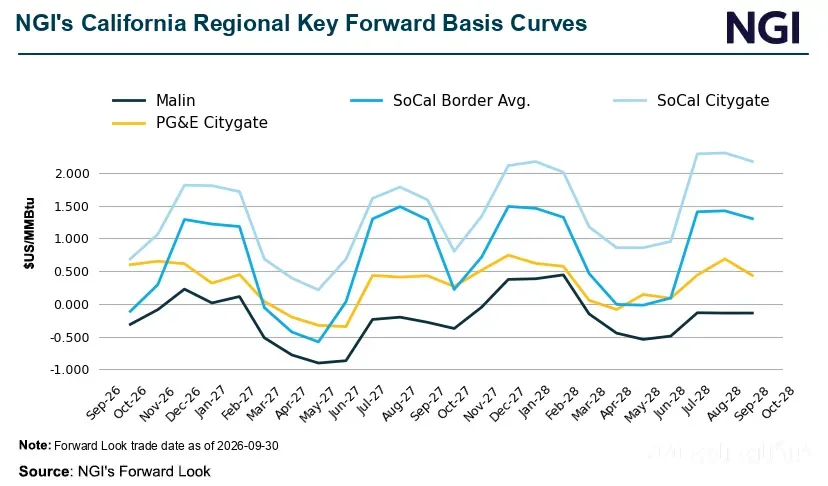
The expansion of liquefied natural gas (LNG) exports in Canada, with two key announcements made this week, has contributed to increasing competition in the natural gas market in the western United States. These developments have not only improved forecasts for Canada's LNG export growth but have also impacted future natural gas prices in various locations across the United States.
Key Developments in Canada's LNG Exports
Two recent announcements related to LNG projects in Canada, including new facilities and increased existing capacity, clearly demonstrate the country's determination to strengthen its position in the global energy market. According to estimates, Canada's total LNG export capacity will reach over 100 million tons per year. This increase in capacity allows Canada to act as a key supplier for international markets, especially in Asia and Europe.
Read more: Increase in PCE Price Index in the United States Less Than Expected in August 2026
Impact on the U.S. Natural Gas Market
The increase in Canada's LNG exports will directly affect natural gas prices in the United States. Analysts predict that natural gas prices in this region will rise due to increased competition with international markets. Currently, the average natural gas price in various locations across the United States is $3.50 per million BTU, but with the increase in Canadian exports, this price could reach $4.50.
This new competition between domestic and international markets could benefit American consumers, as it will lead to increased supply and diversity in available options. Additionally, these developments could help reduce the United States' dependence on domestic natural gas resources and create new opportunities for gas exports to other countries.
Economic and Environmental Implications
The expansion of Canada's LNG exports will not only benefit the economy of this country but could also lead to positive environmental impacts. Given that natural gas is recognized as a cleaner fuel compared to coal and oil, increased use of it could help reduce greenhouse gas emissions. This is particularly important as countries seek to mitigate the effects of climate change.
Overall, the expansion of Canada's LNG exports and its impact on the U.S. natural gas market represents a significant and strategic trend in the energy industry. These developments could create new opportunities for economic growth in both countries and help meet global energy needs.
Read more: Weakening of Iran's Energy Advantage in the Electricity Industry · The European Union Faces Delays in Implementing Methane Regulations



